Jungle Time!
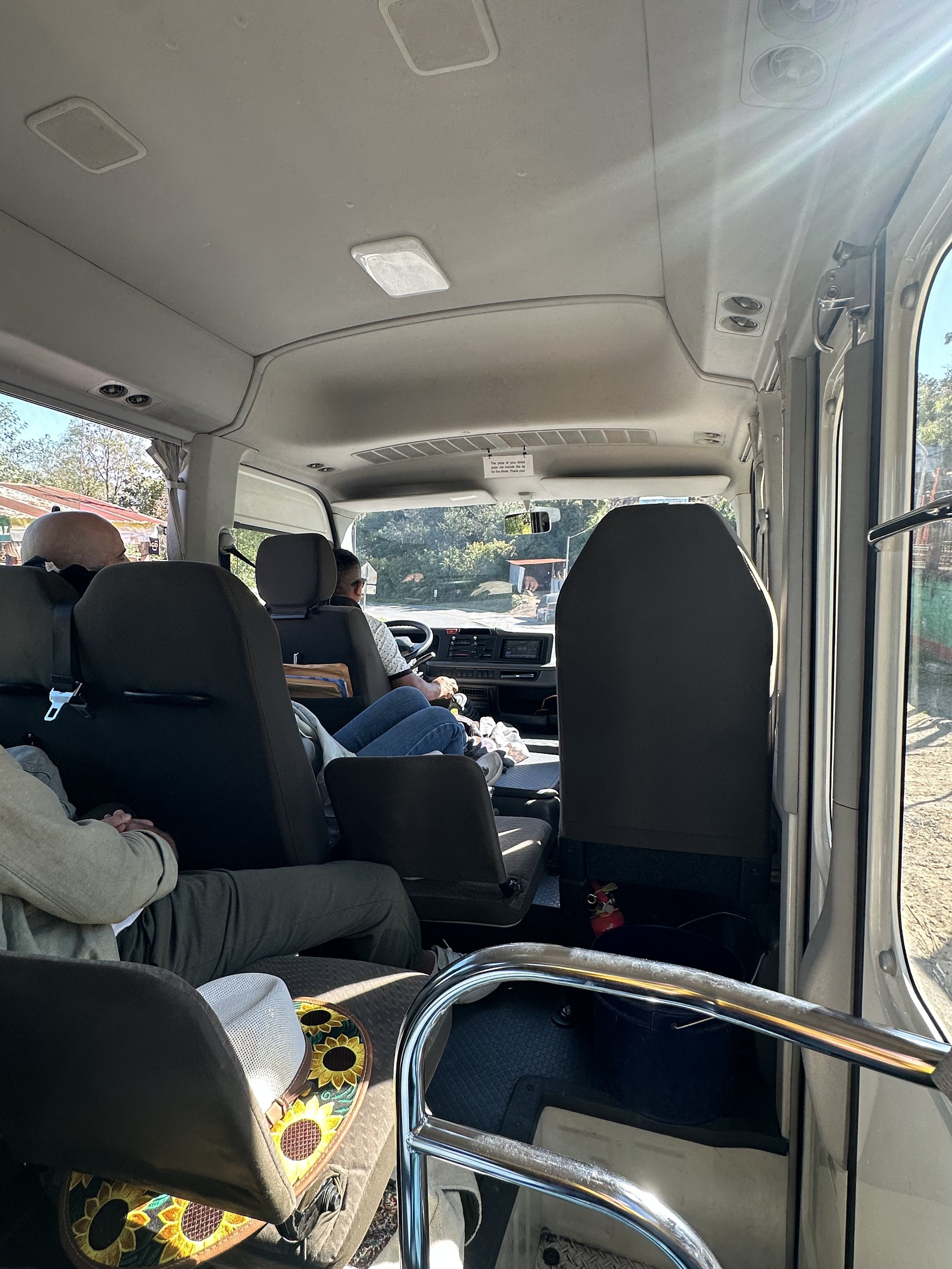
I woke up at 6 am to pack up and get ready for my longest travel day yet, which involved what felt like nearly every mode of transportation to get to my next destination, a small, remote hostel on Lake Petén, about 45 minutes from the Mayan ruins of Tikal. To get there, I took a tuk-tuk, a boat, two buses, a flight, and finally a taxi, all to reach what would turn out to be a truly magical place tucked deep in the jungle, and I didn’t arrive until around 8 pm. This hostel was one of the places I had been most excited about visiting. I stumbled upon it while searching for places near Tikal, and the reviews were glowing, people calling it paradise, writing about how they had extended their stays again and again because it was simply too magical to leave.
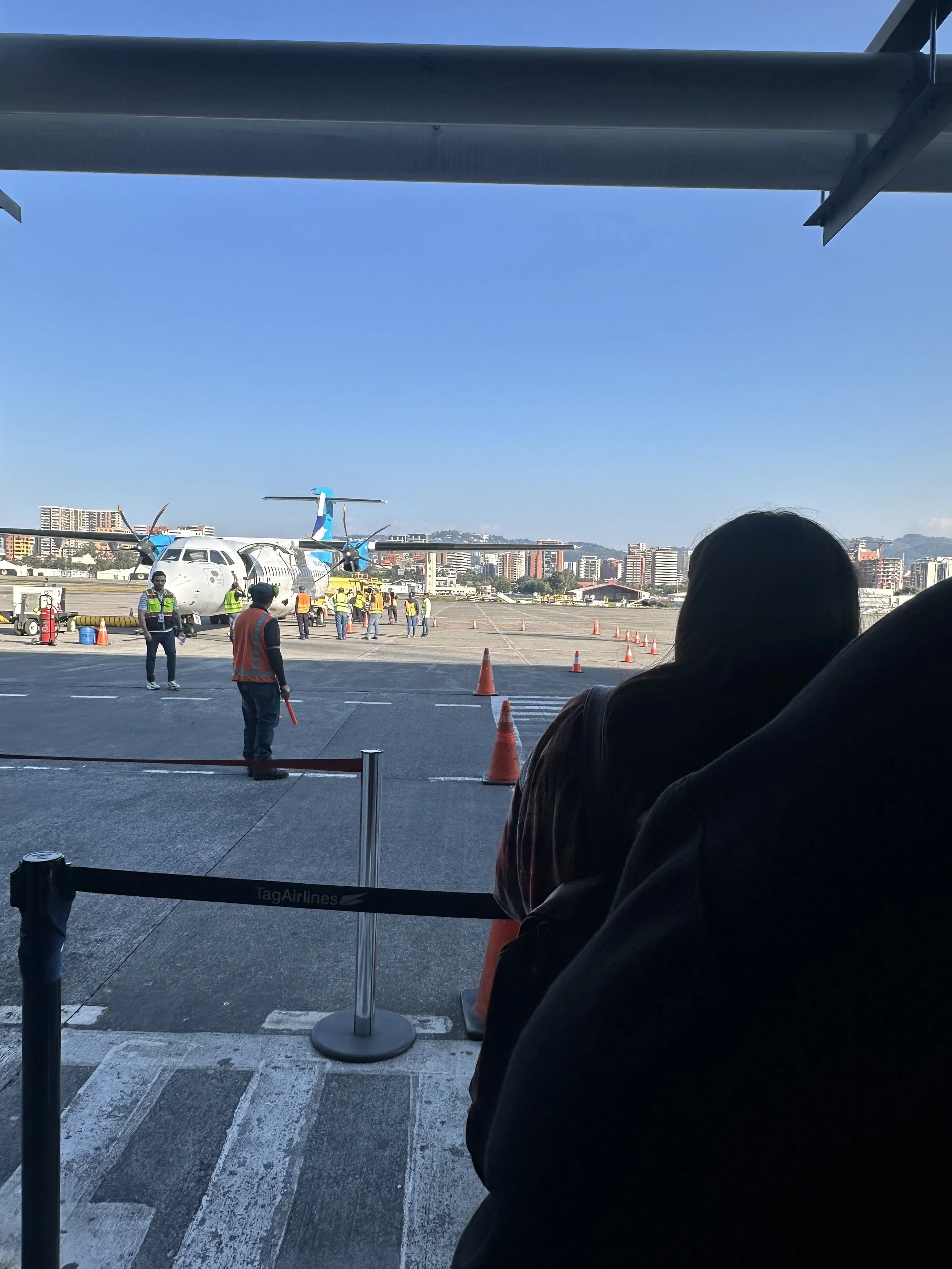
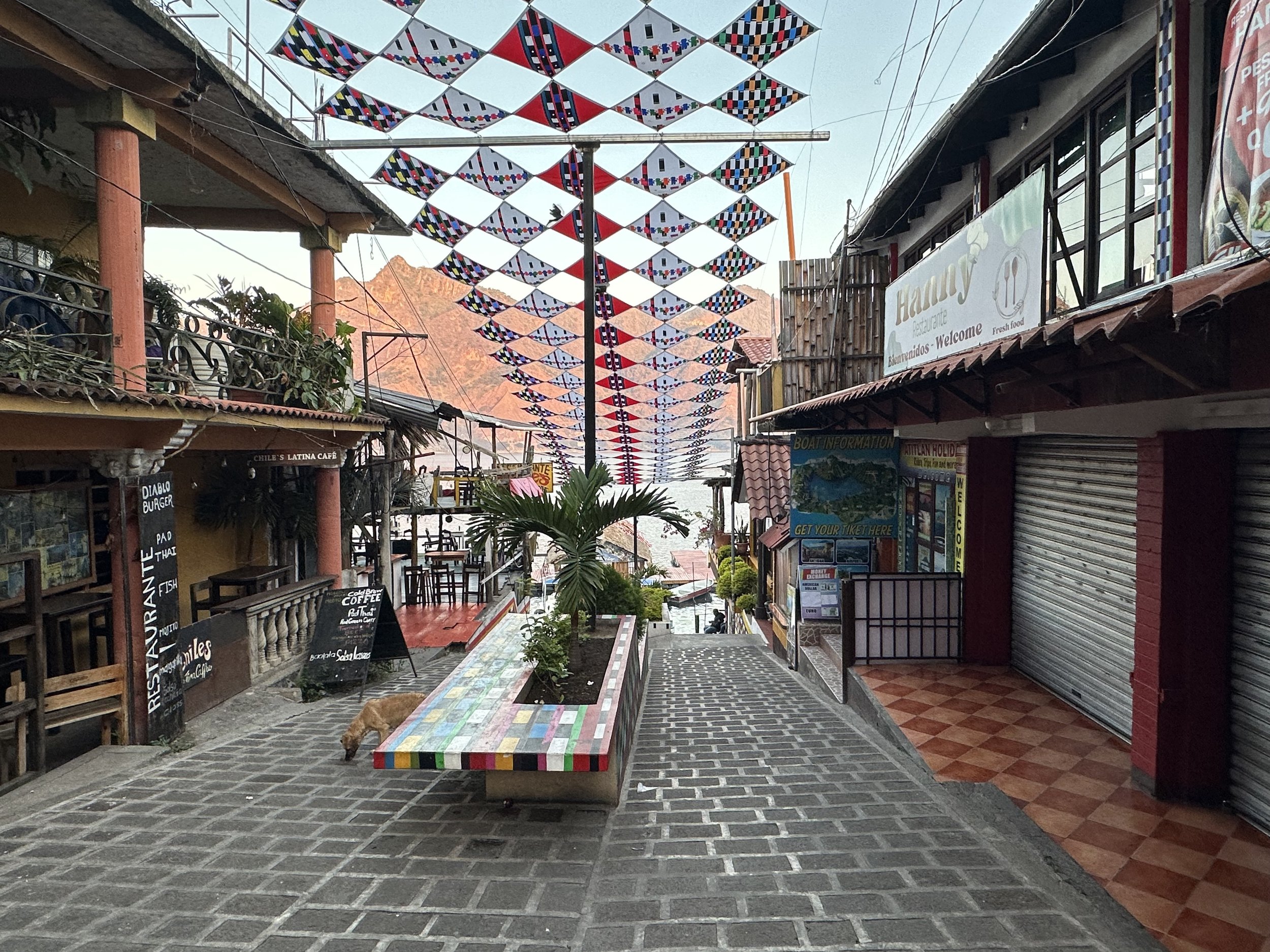
Empty streets of San Pedro at 6:30am, on my way to the port.
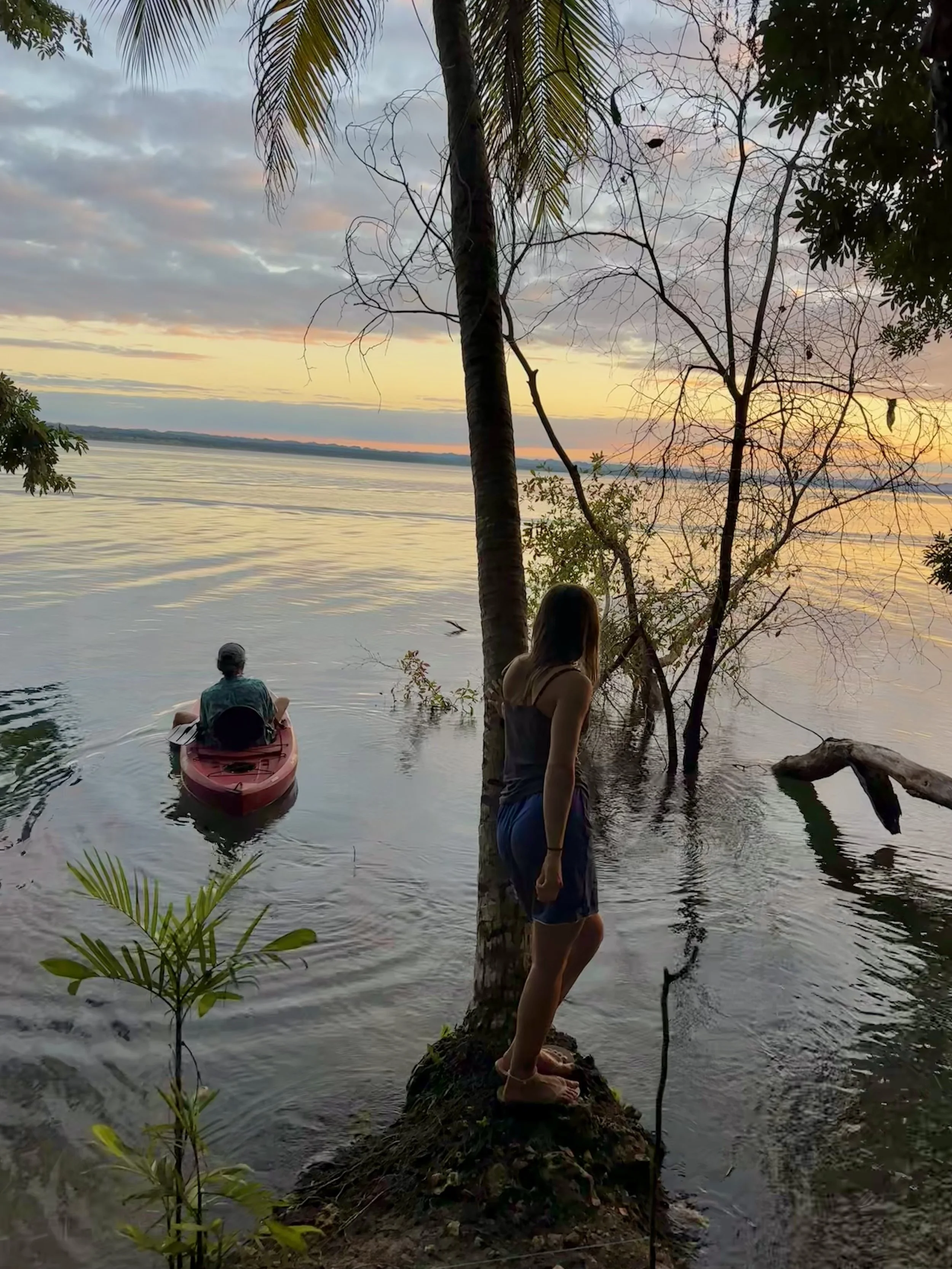
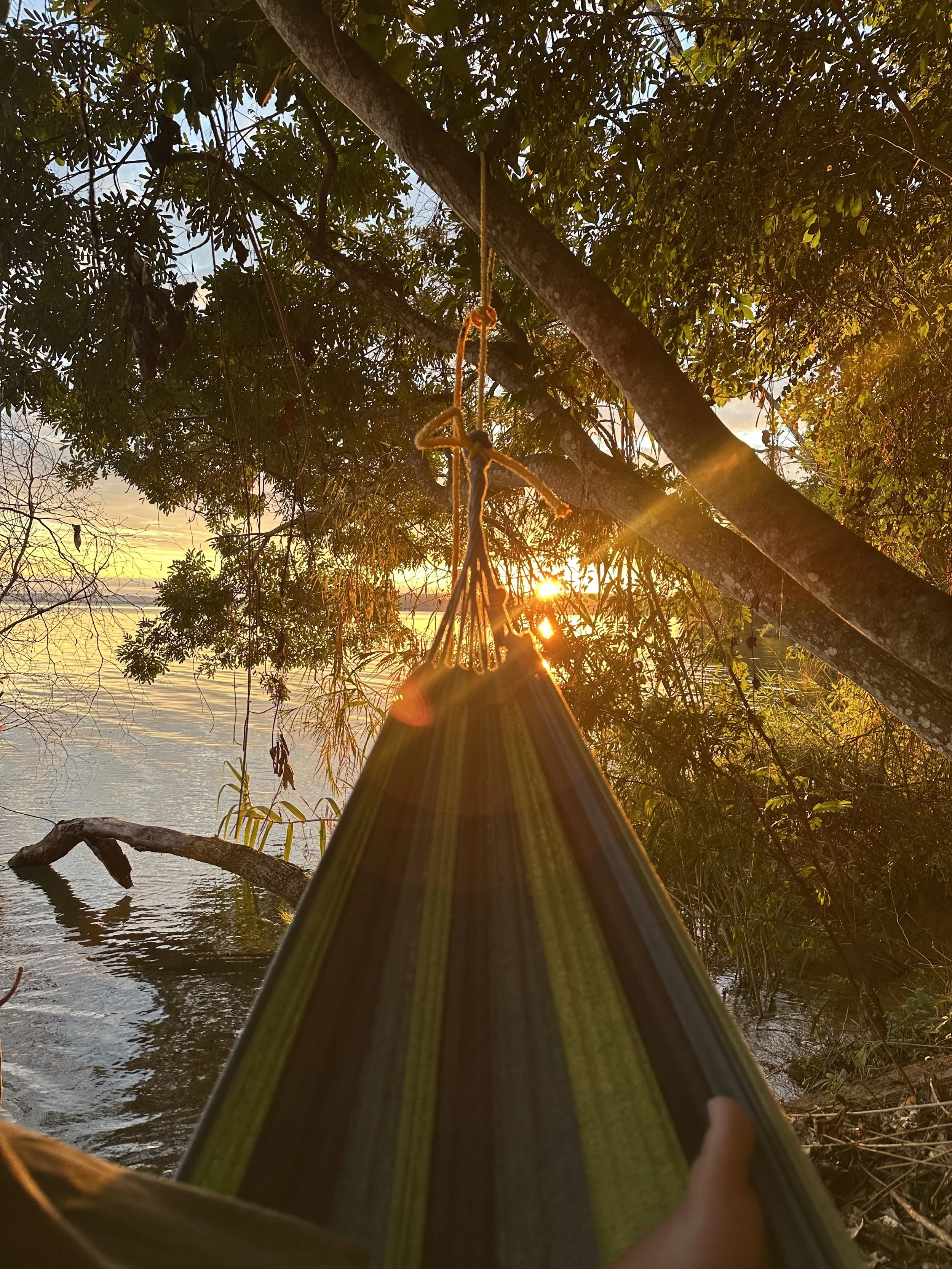
Saraguate Eco Hostel is run by Ivan and his mother. Ivan told me this is his family’s home, and where he grew up. About five years ago, they began slowly adding to the house, first converting it into an Airbnb and eventually into a hostel. It sits right on Lake Petén, with a set of stairs that lead directly down into the water, and to hammocks that hang over the water. From the moment I arrived, I felt like I was welcomed into someone’s home.
That evening, I met a man traveling from France solo and two hippy musicians originally from Wales who had been traveling through Central America together for months. They told me they were parting ways at the end of the month, one heading to Sri Lanka and the other continuing through Central and South America, meaning their relationship was coming to an end. They kept extending their stay two days at a time, seemingly delaying leaving both nature’s paradise and each other. The French man had just bought a boat in Río Dulce and planned to fix it up to start a community sailing organization. I loved hearing these kind of bold and unconventional stories. The four of us ate dinner by candlelight, and the essence of the hostel felt almost sacred. Everyone spoke softly, smiled easily, and moved gently, as if we had all just come out of a long meditation or a massage.
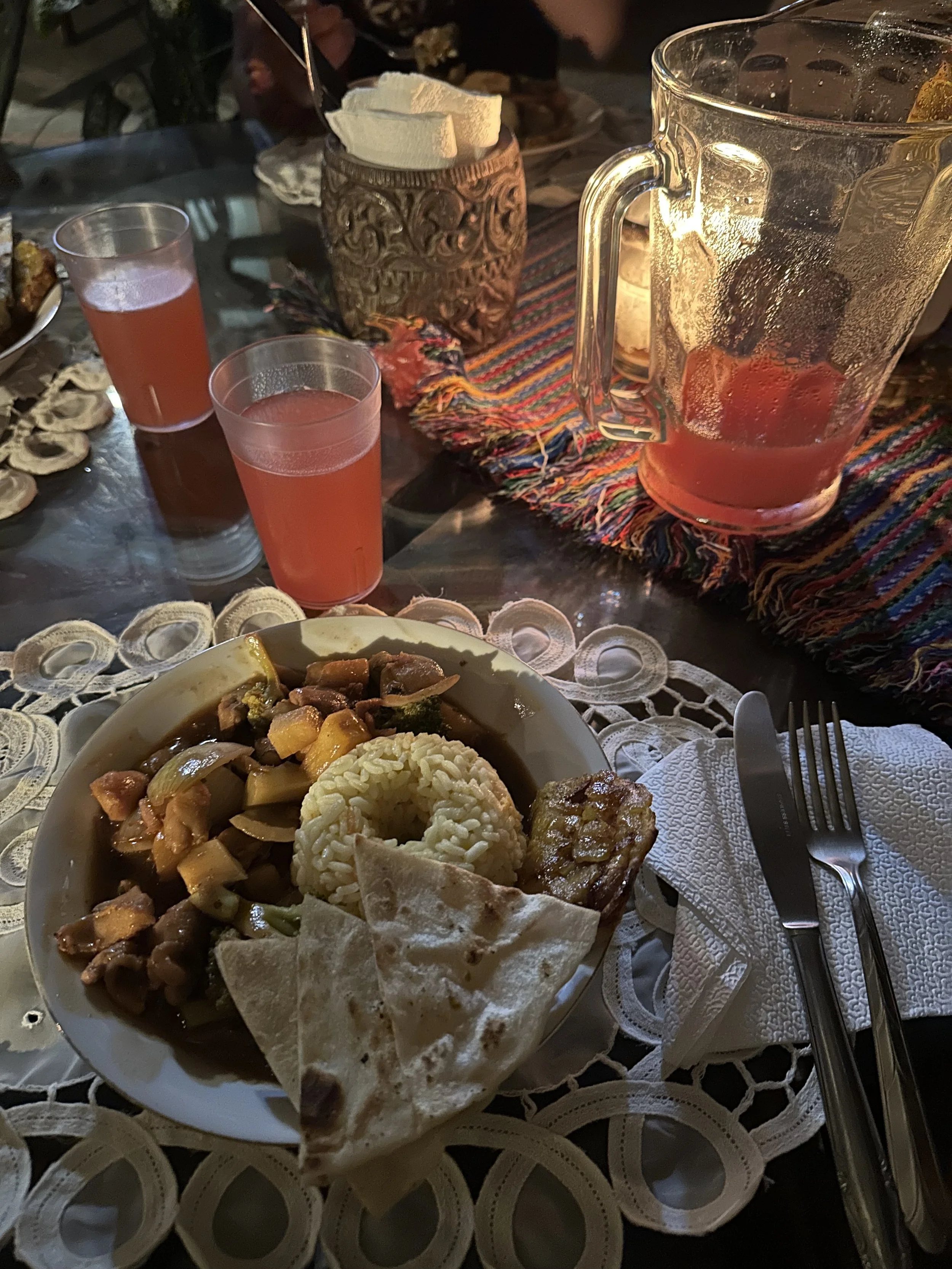
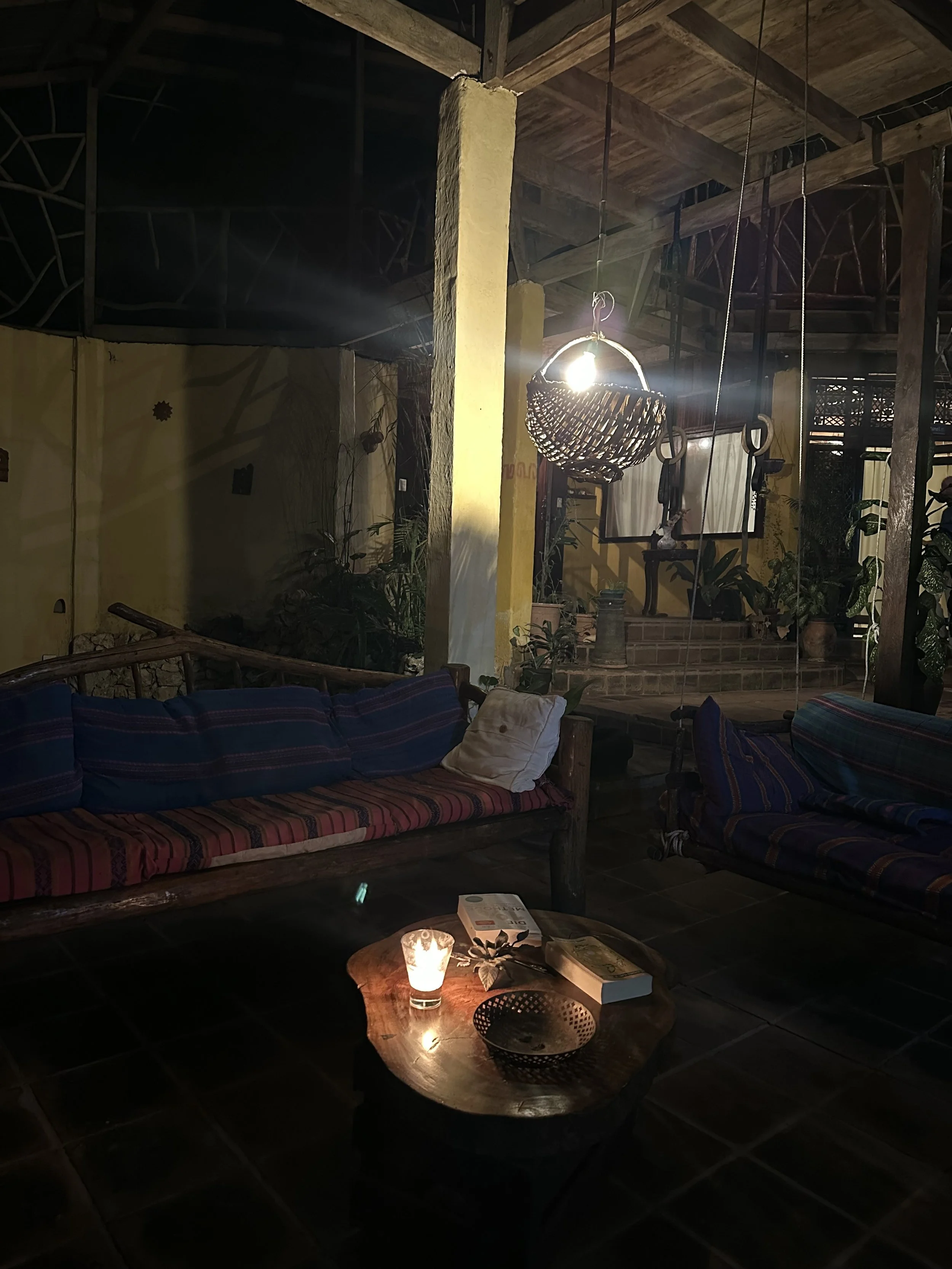
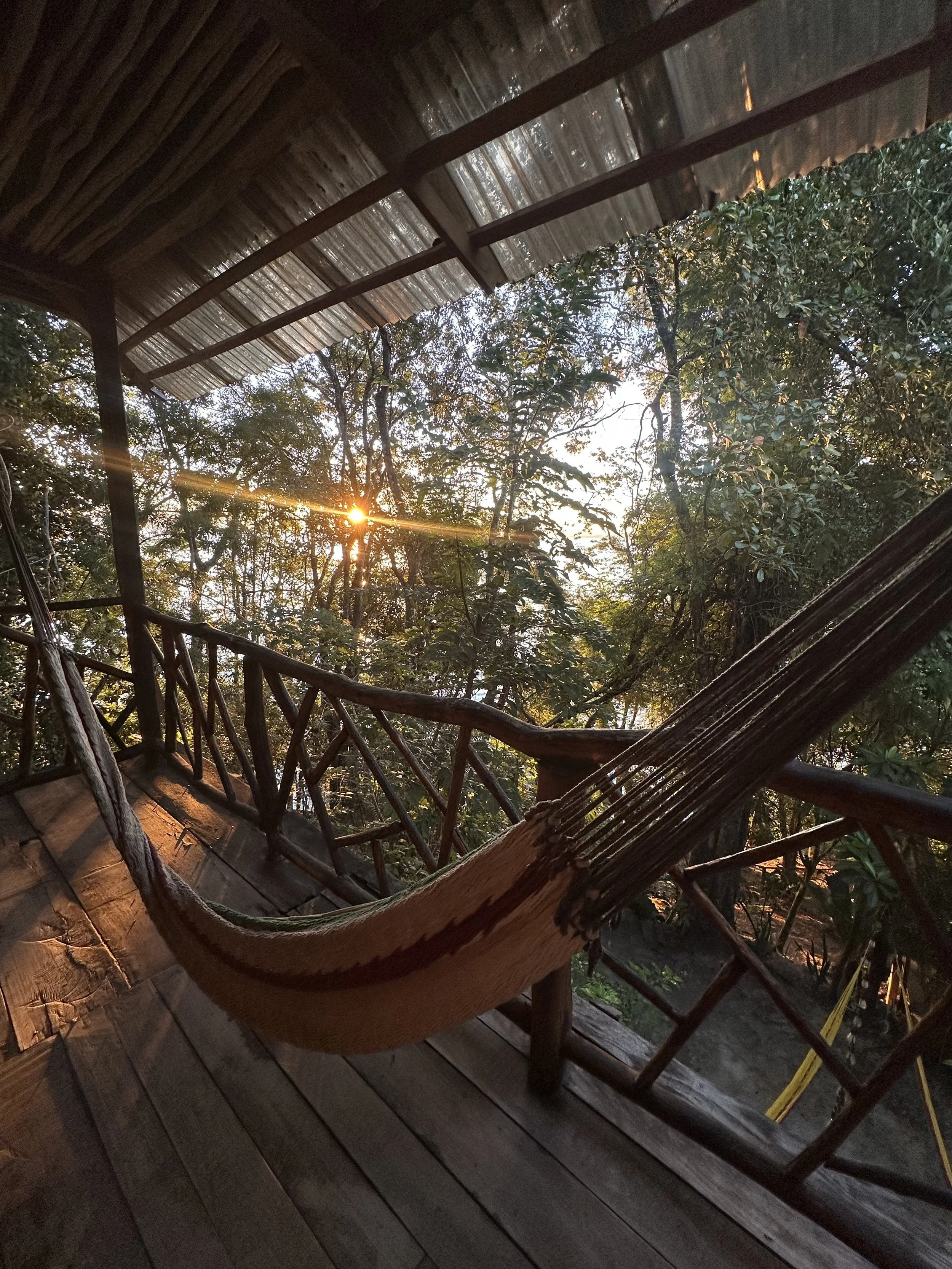
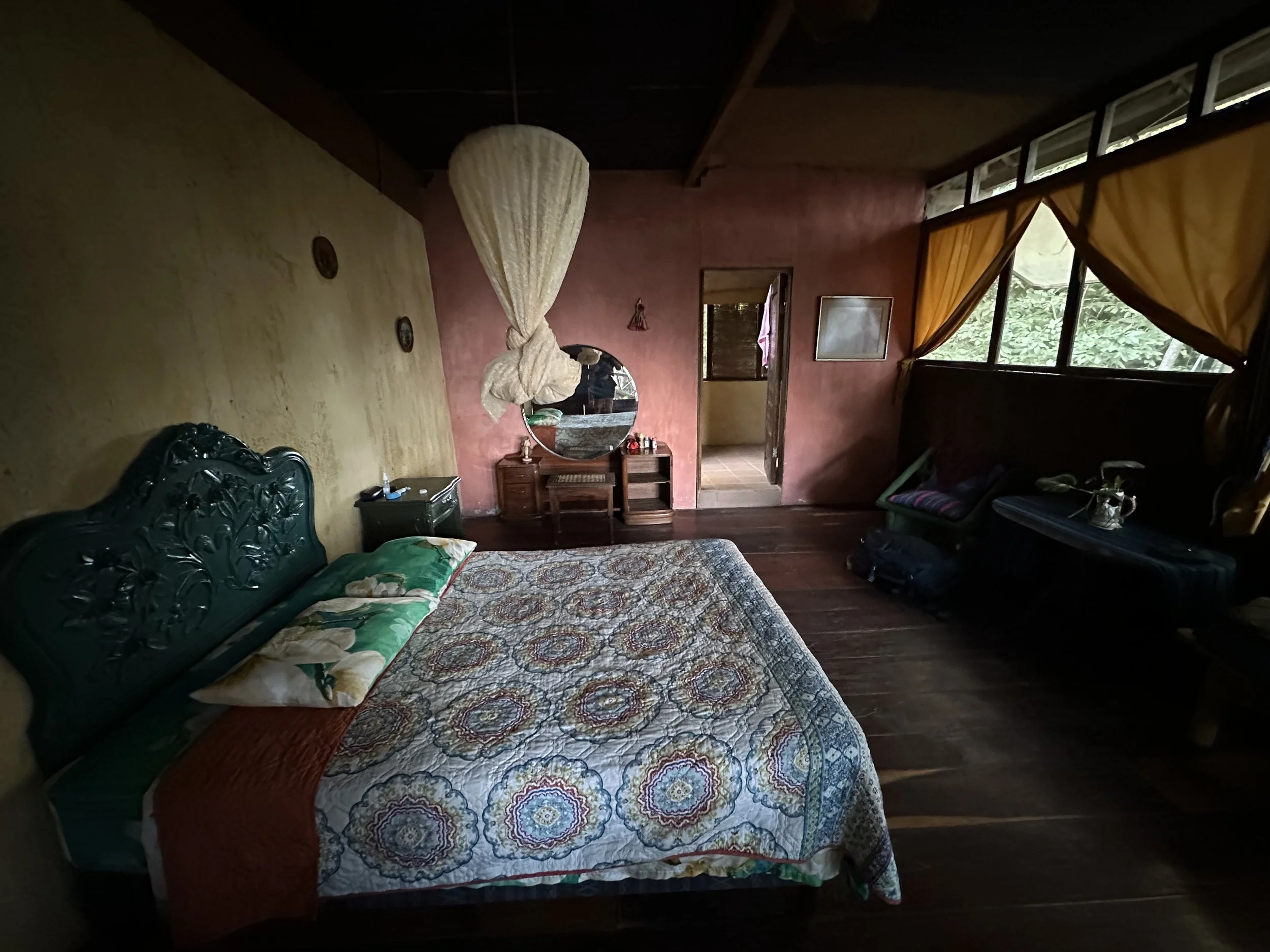
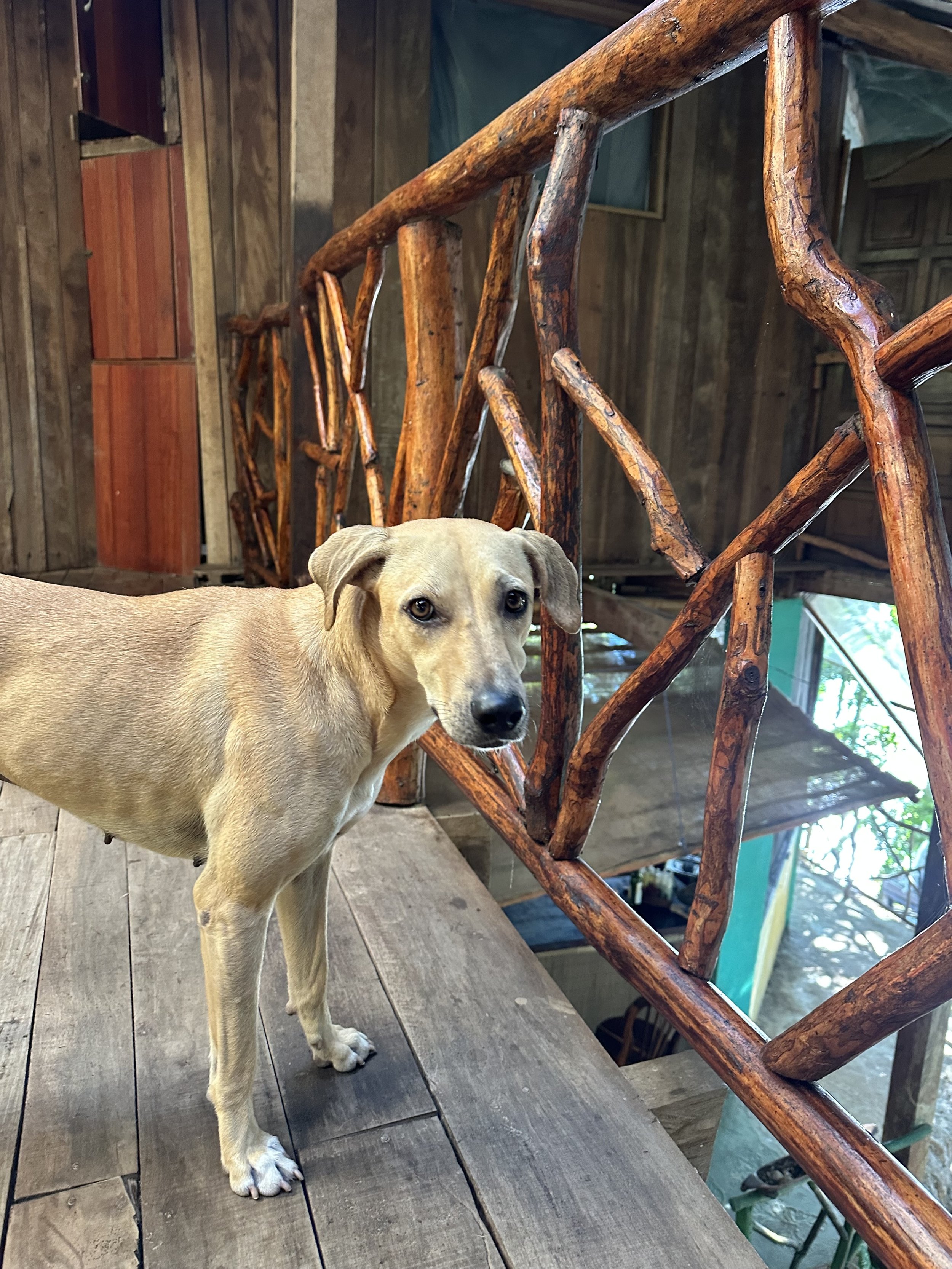
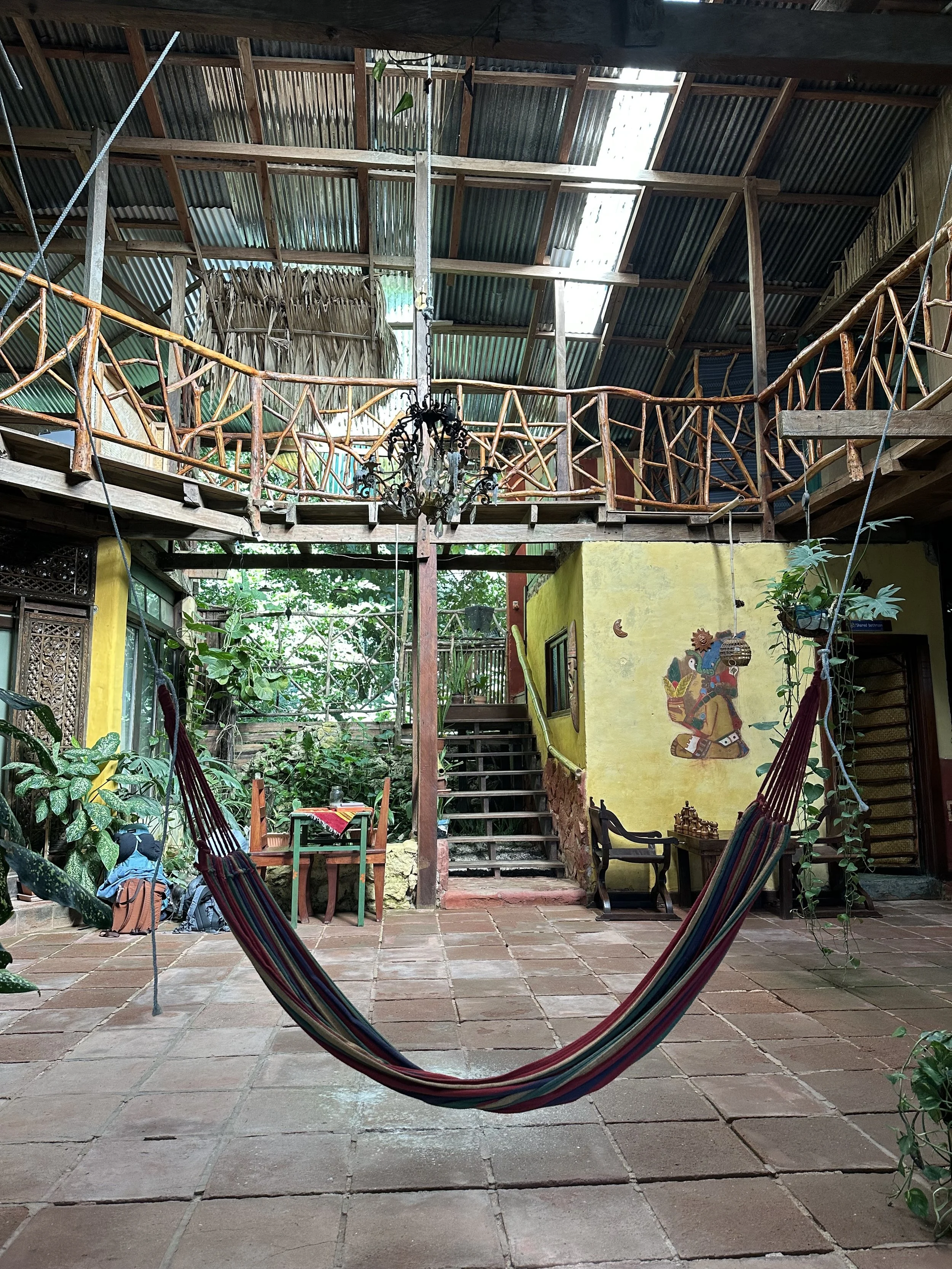
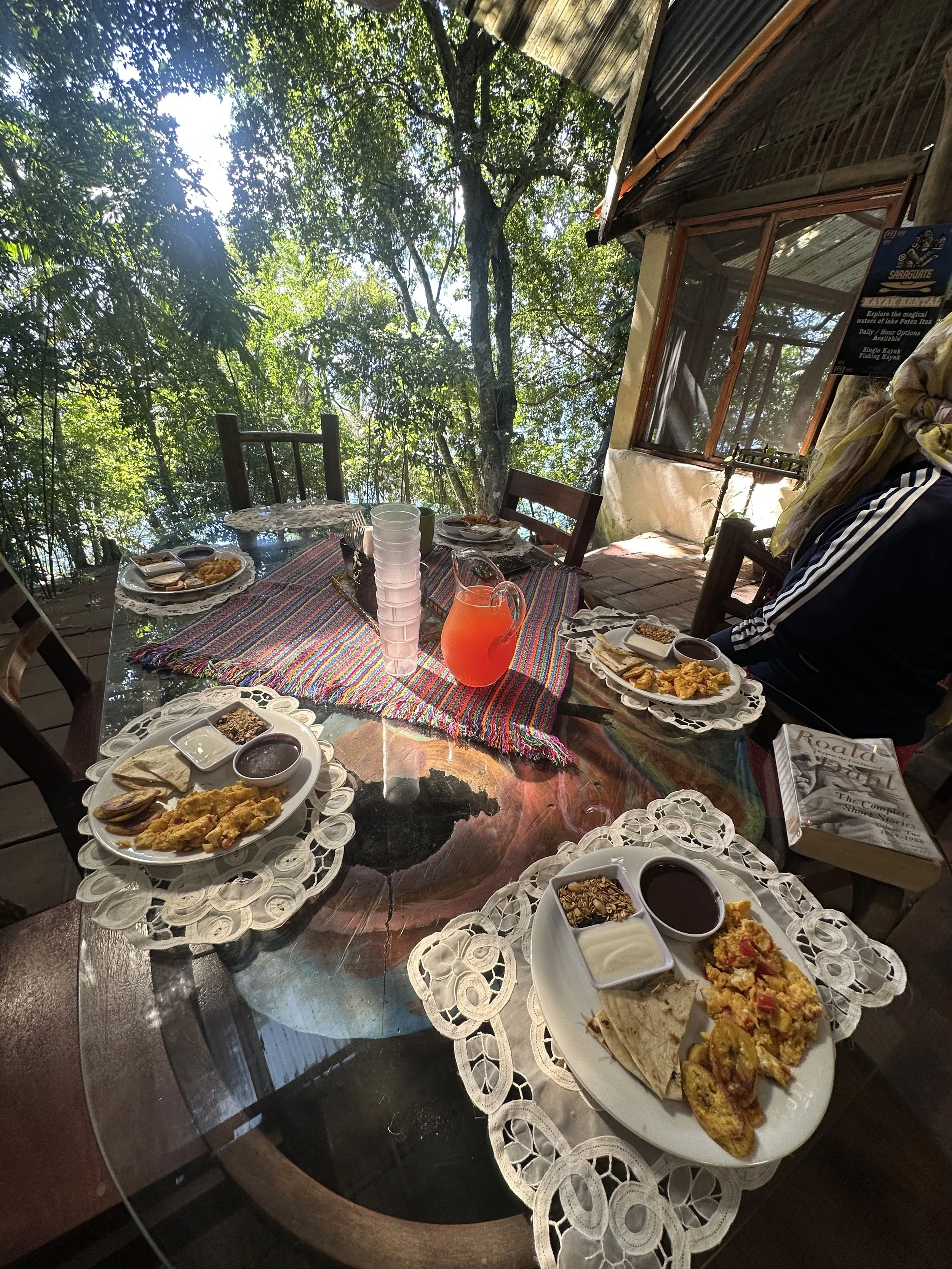
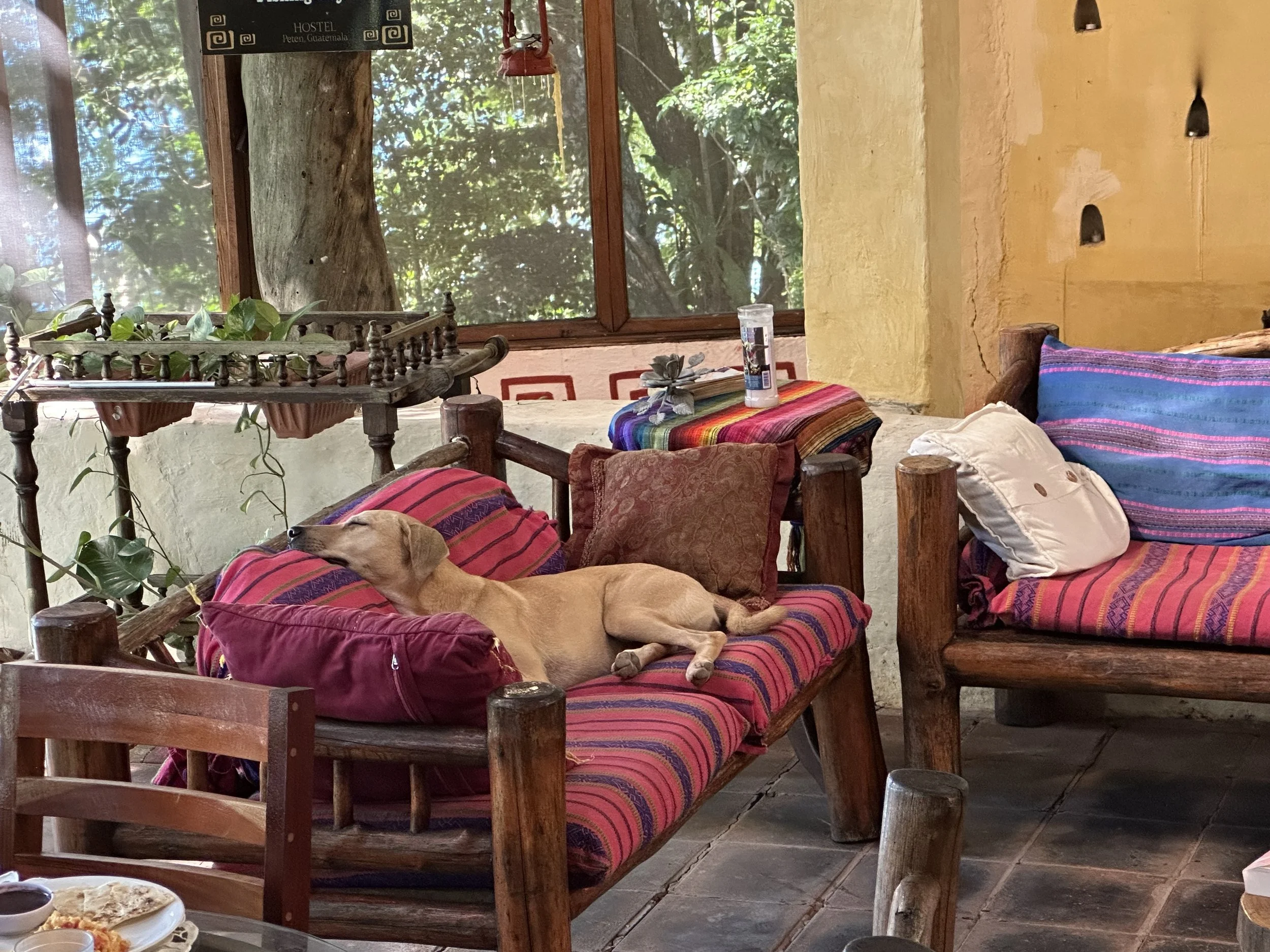
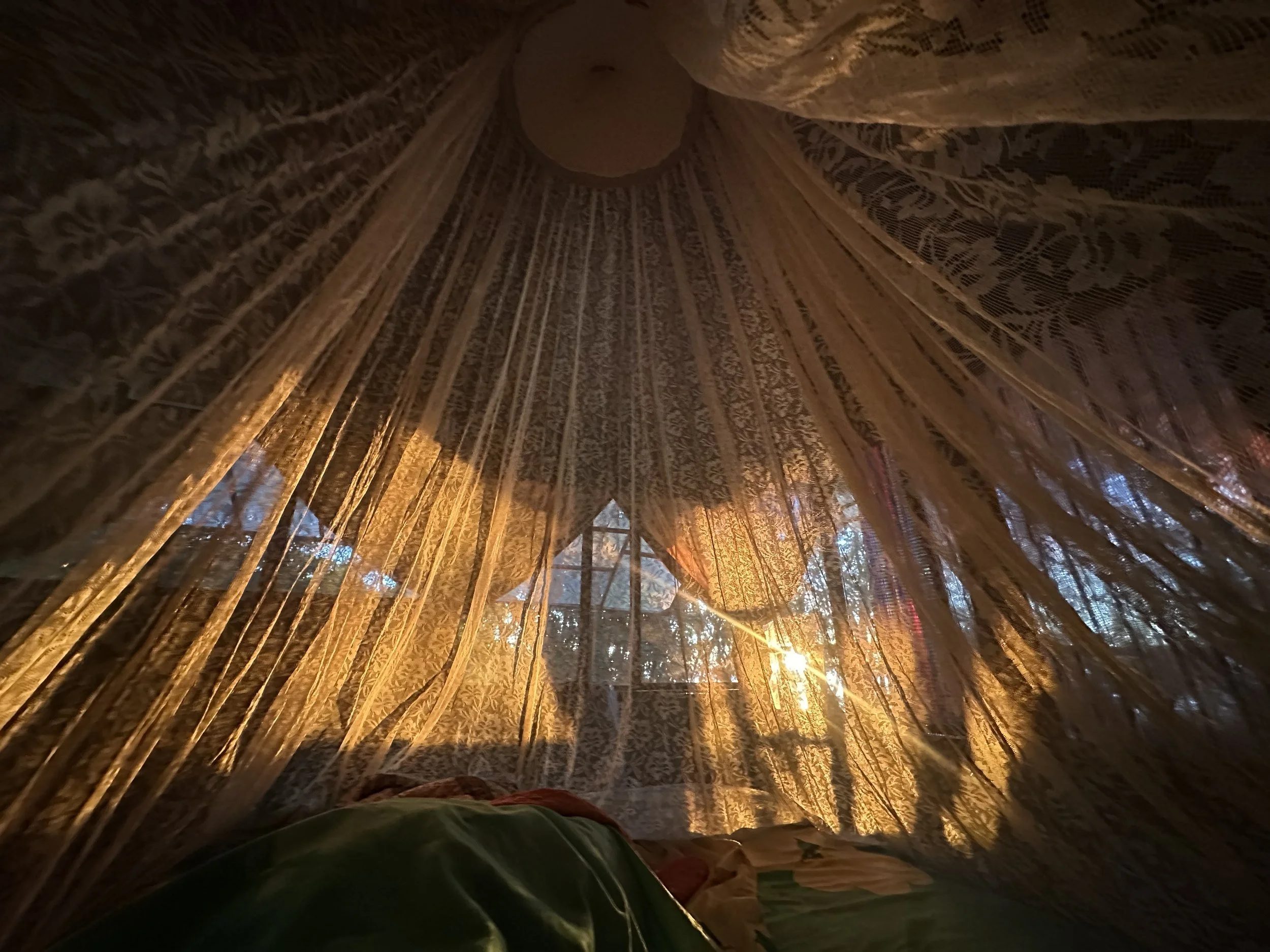
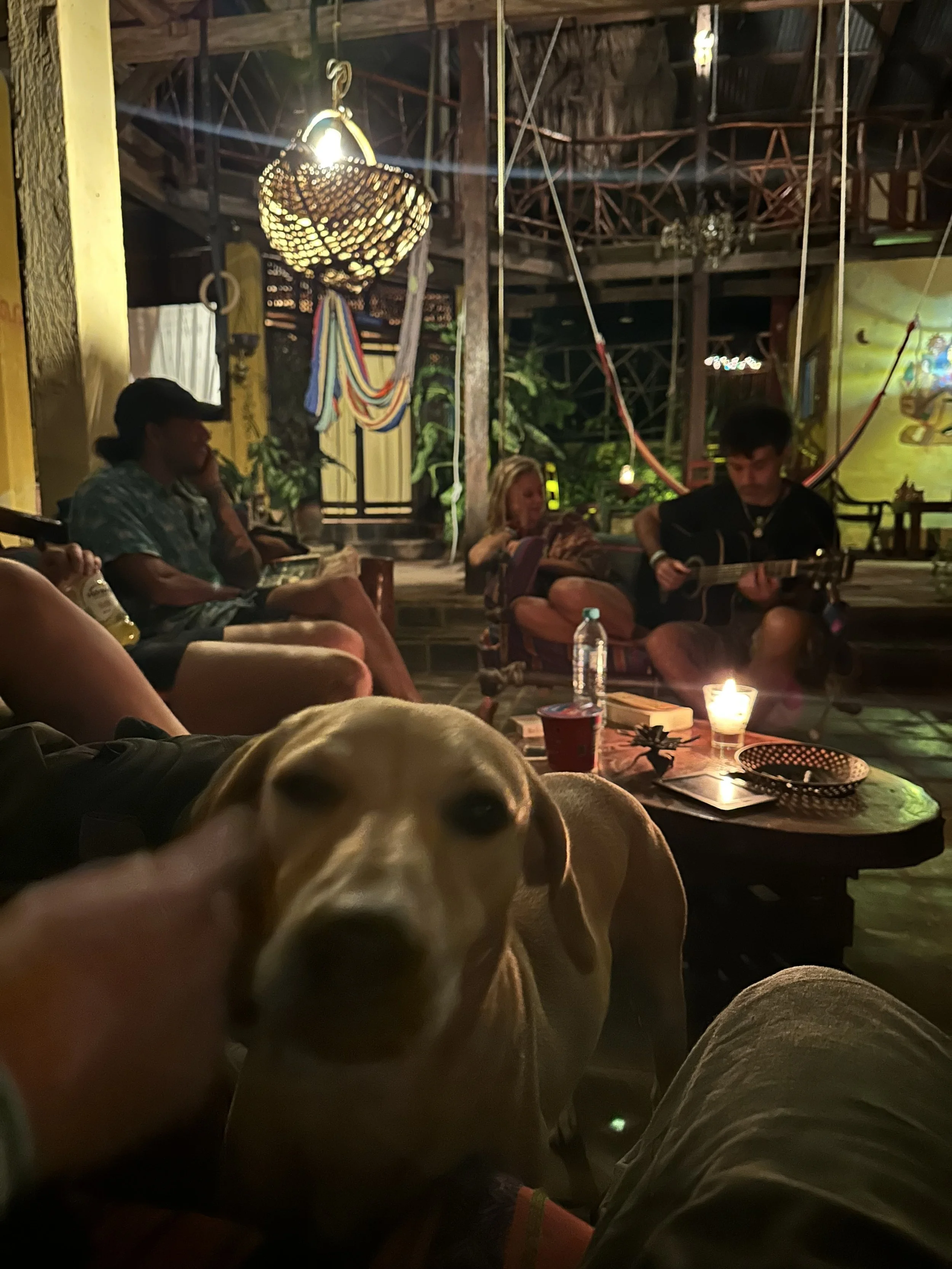
My only agenda for the next three nights was to visit the Mayan ruins of Tikal, and to spend the rest of my time on this gorgeous property, relaxing, swimming in the lake, lingering in conversation, and eating the meals Ivan and his mother prepared with such care. Ivan asked if I wanted to go to Tikal the next day with the three others who were already planning to go. He arranged the shuttle and a guide for us the following morning. It was so easy, and I was excited.
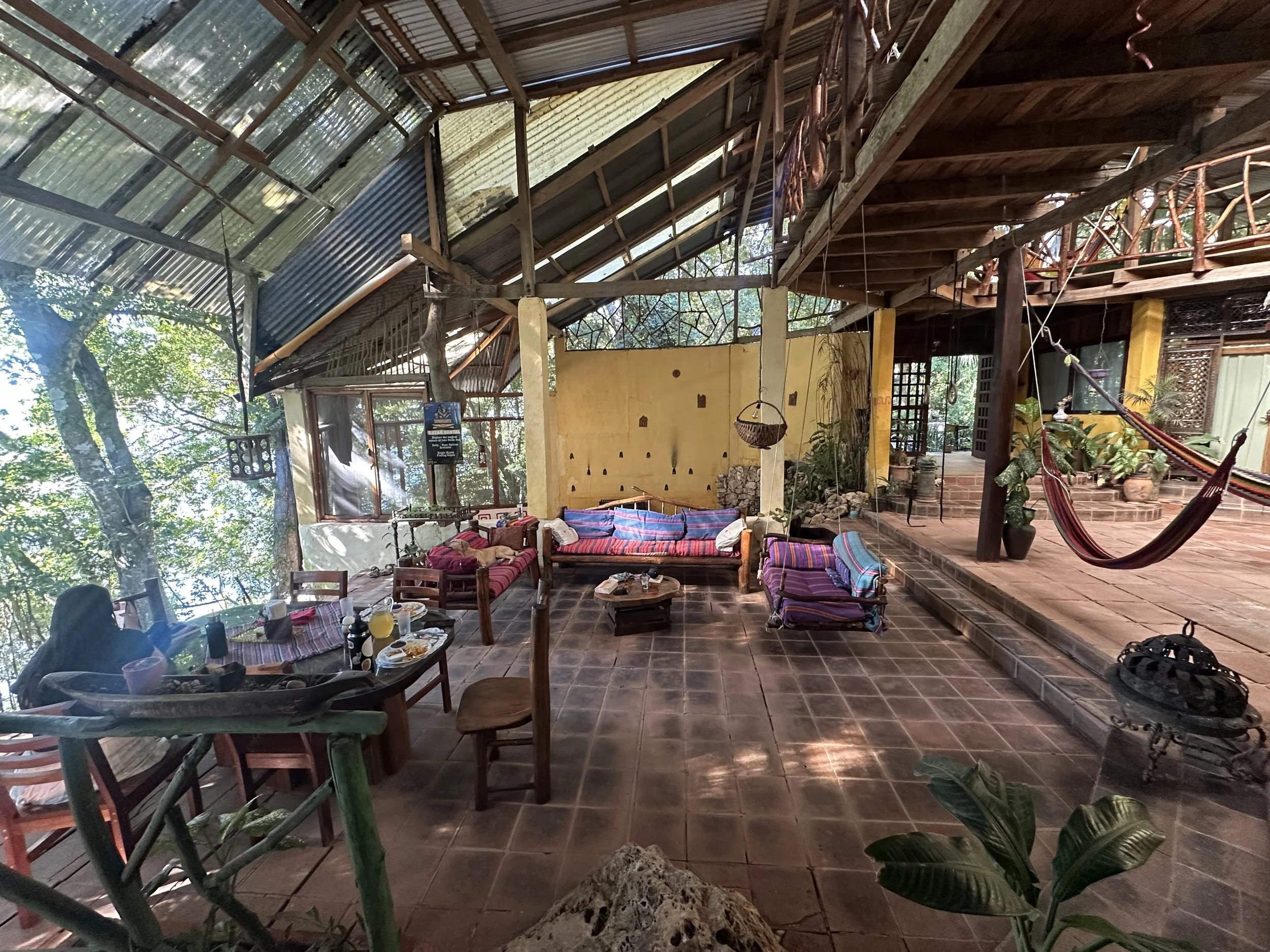
Saraguate Eco Hostel
In the morning, I woke up around 5 am to what I imagined dinosaurs must have sounded like, though it was really just howler monkeys. I’ve heard howler monkeys in Costa Rica before, but the ones in Guatemala are somehow even creepier. Not exactly the calmest jungle soundtrack, but still pretty amazing. Listen in the video below:
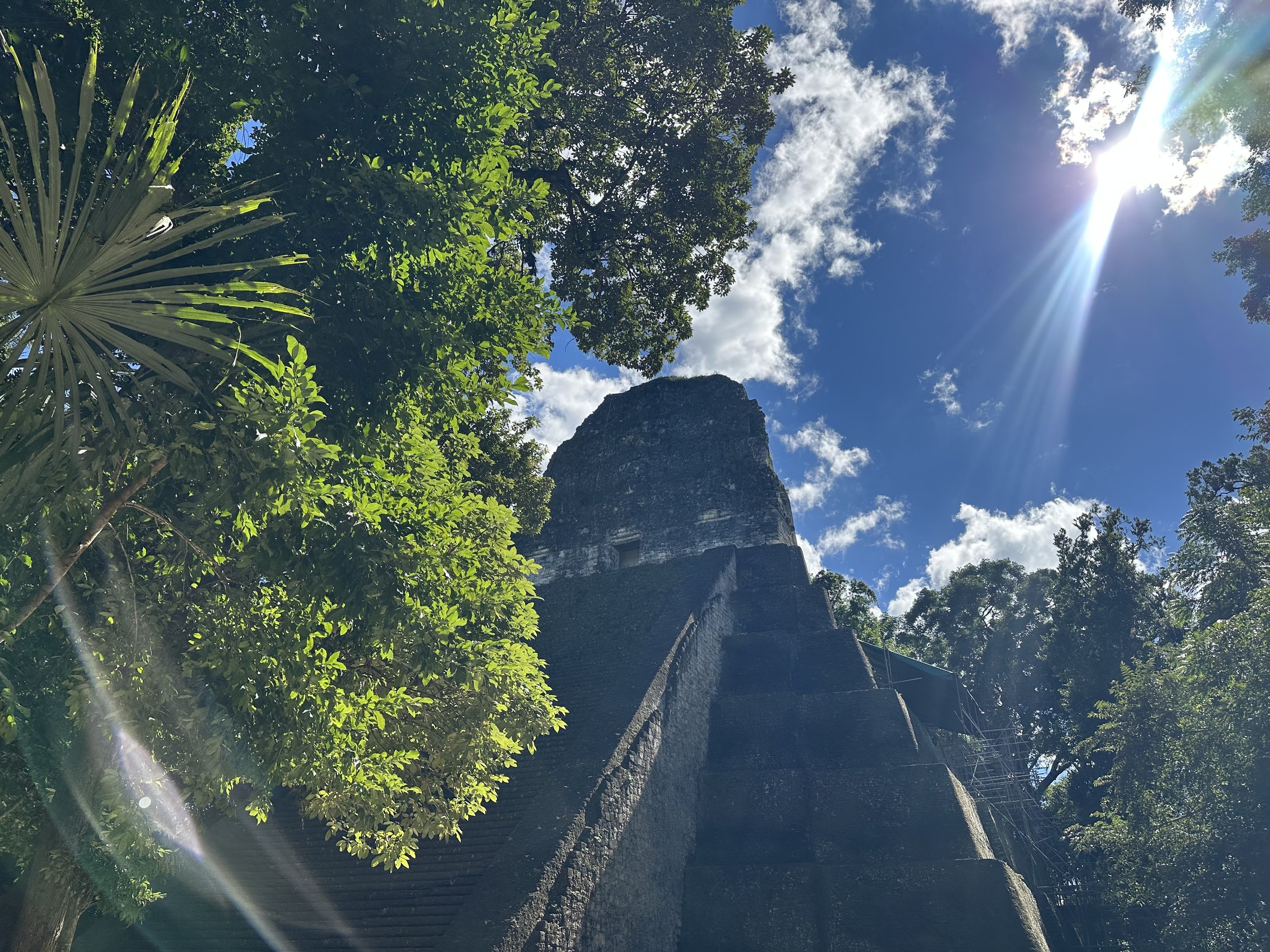
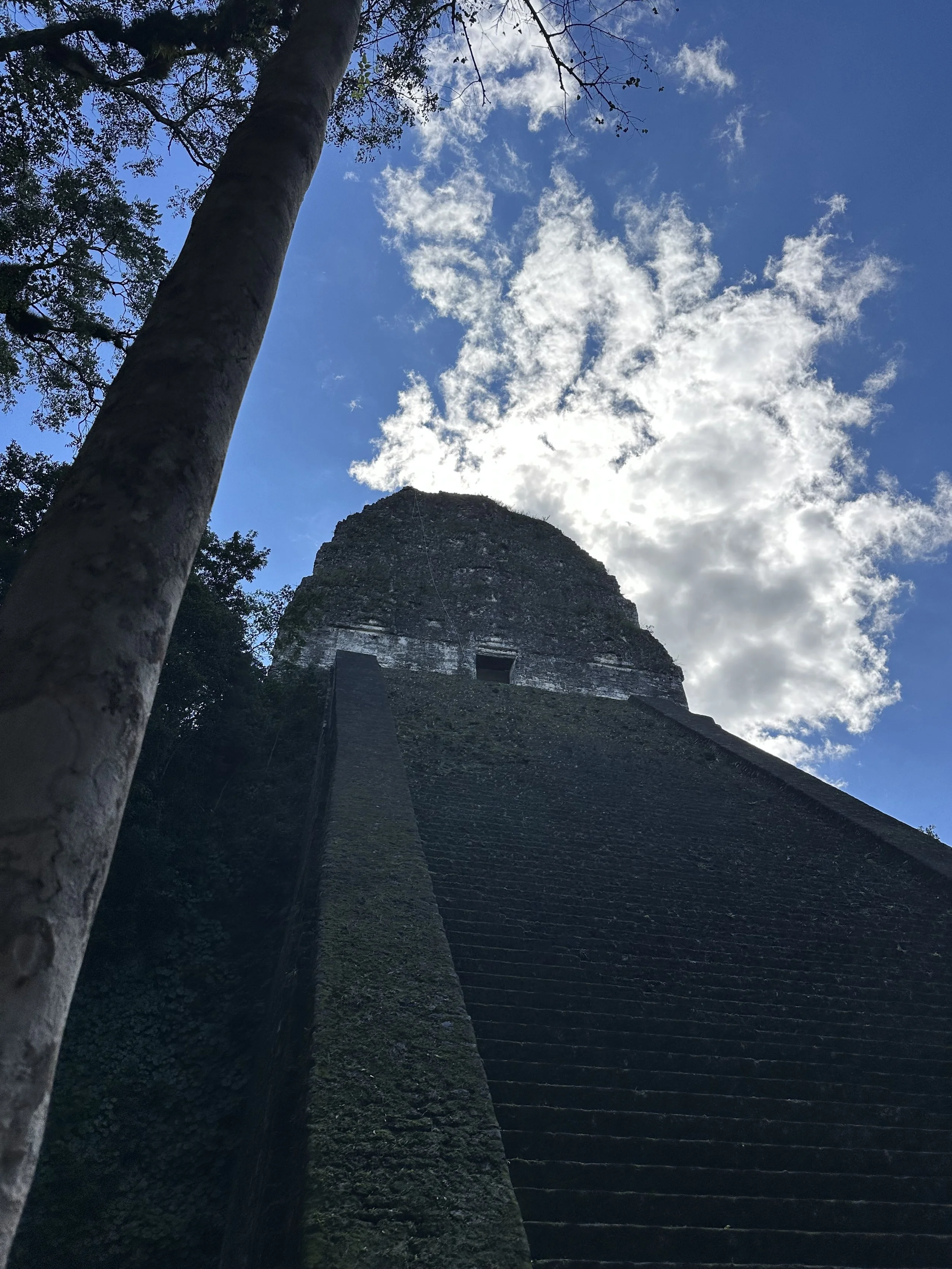
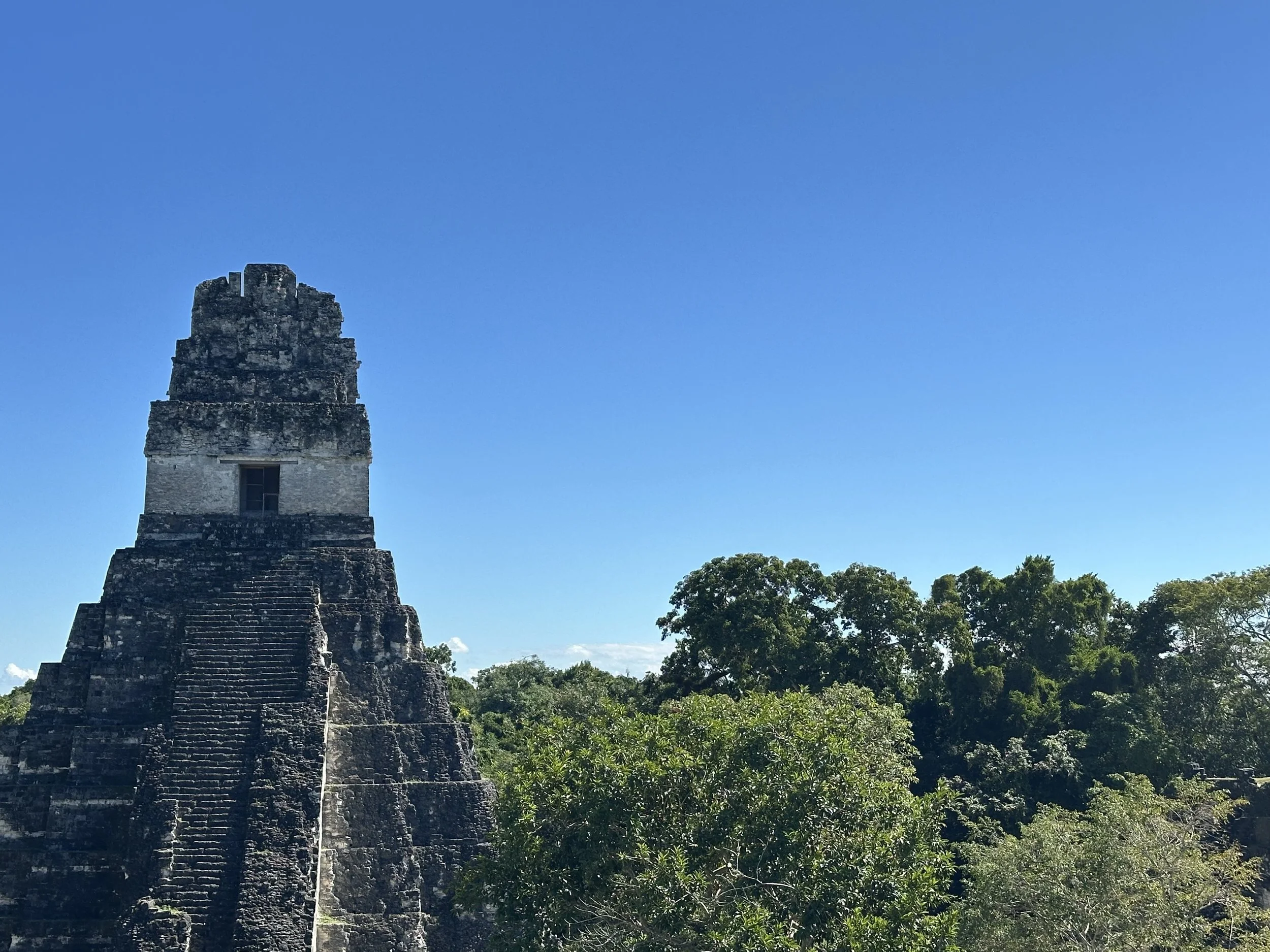
Temple in Tikal
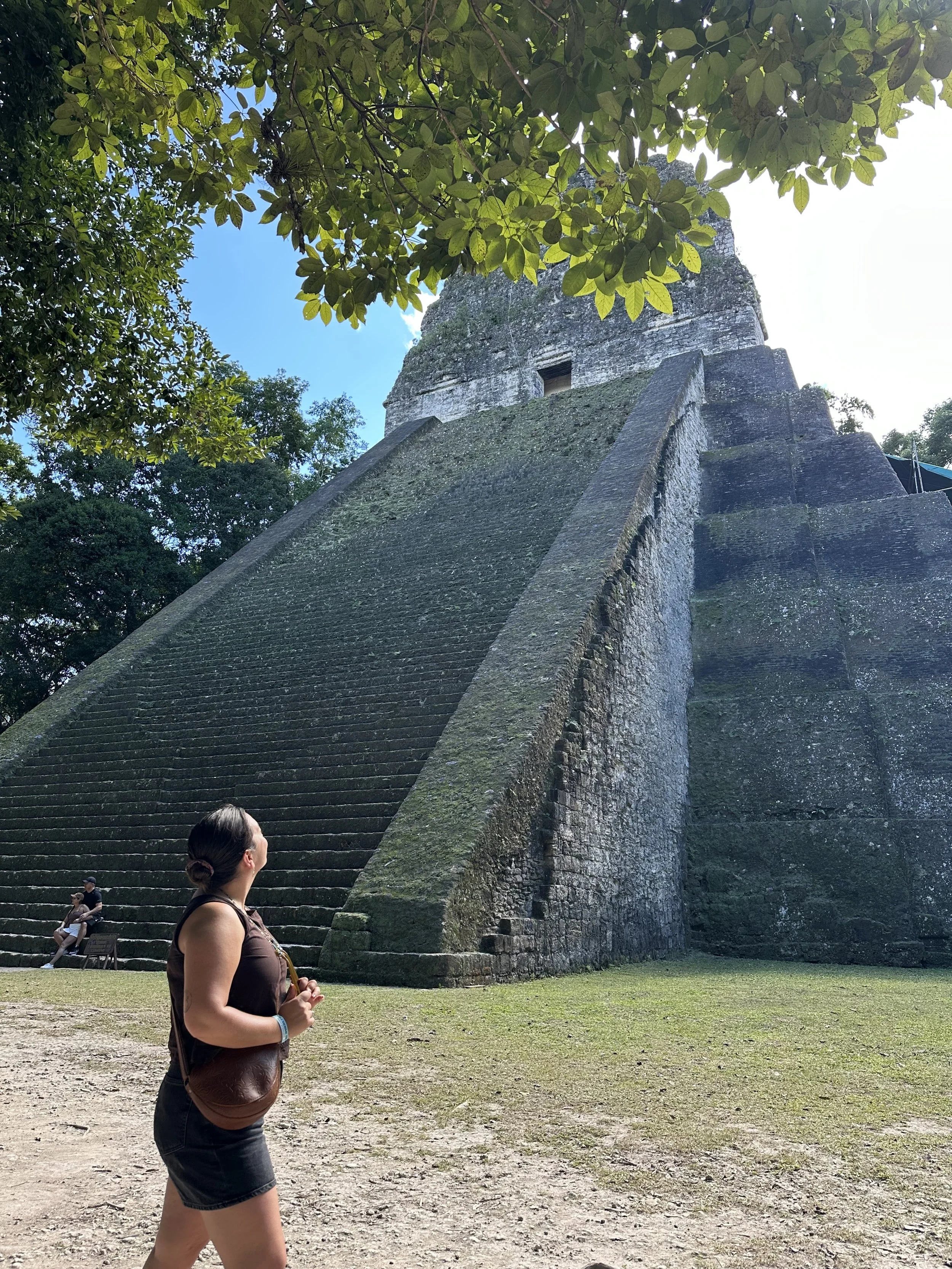
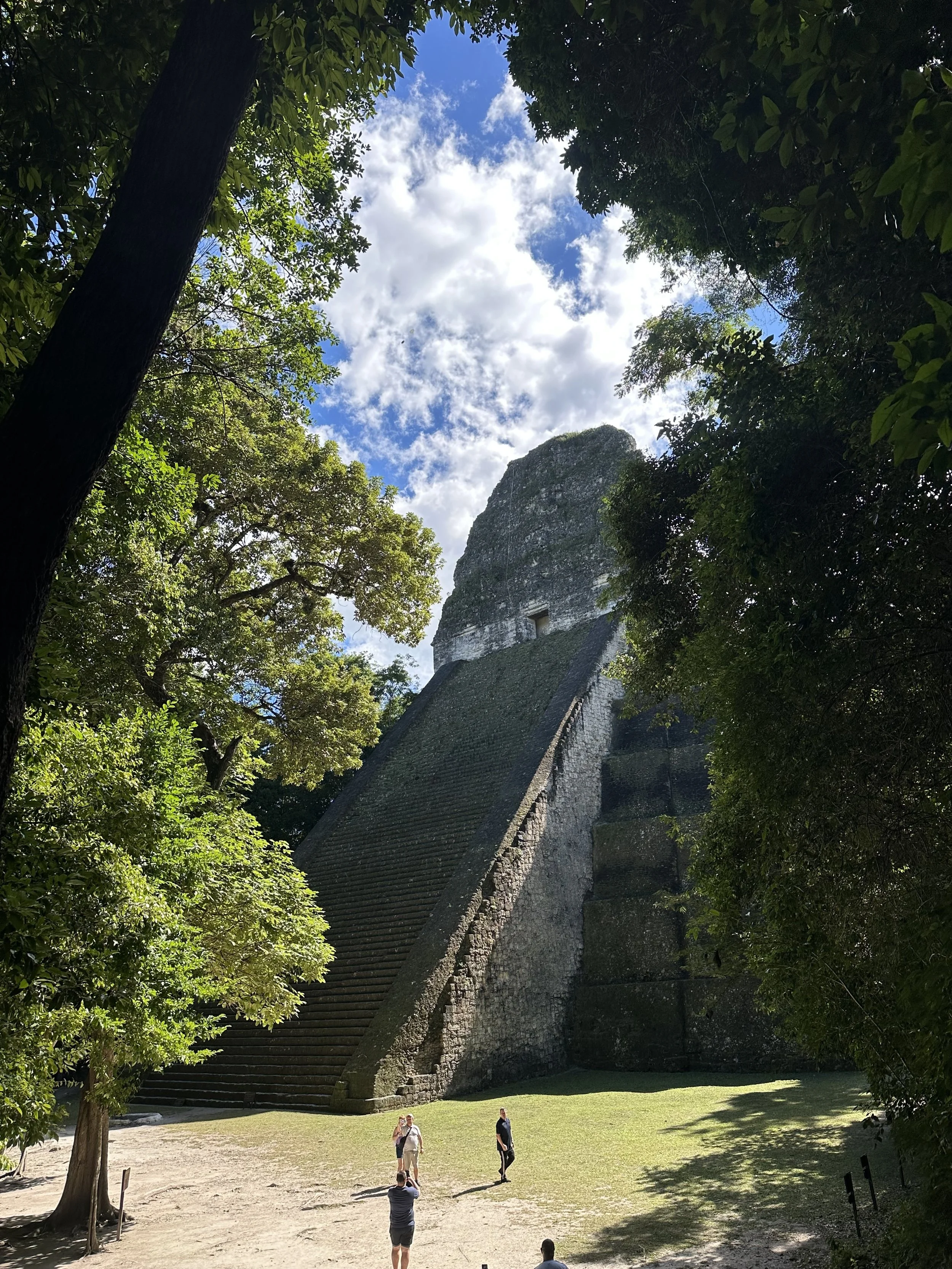
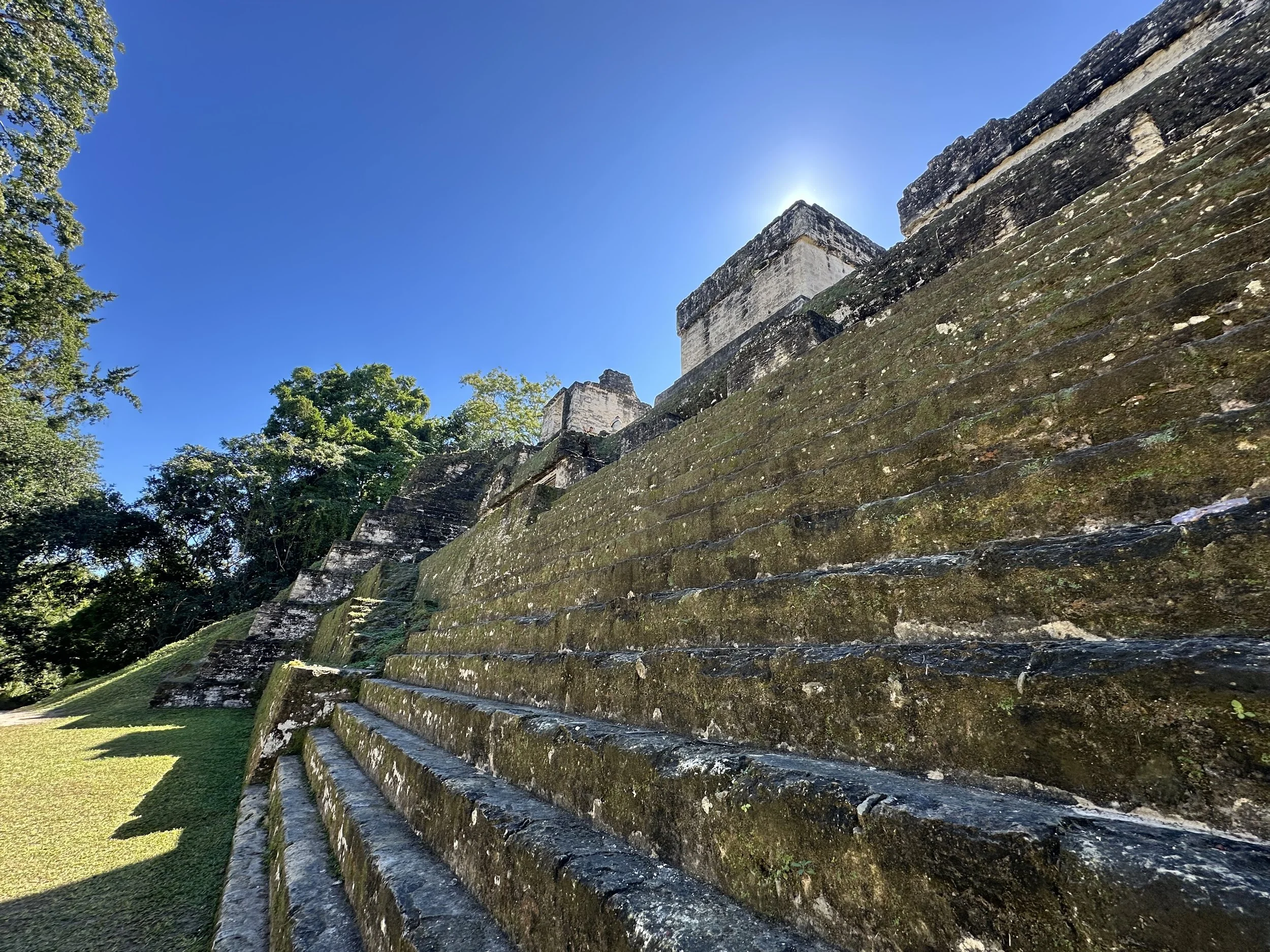
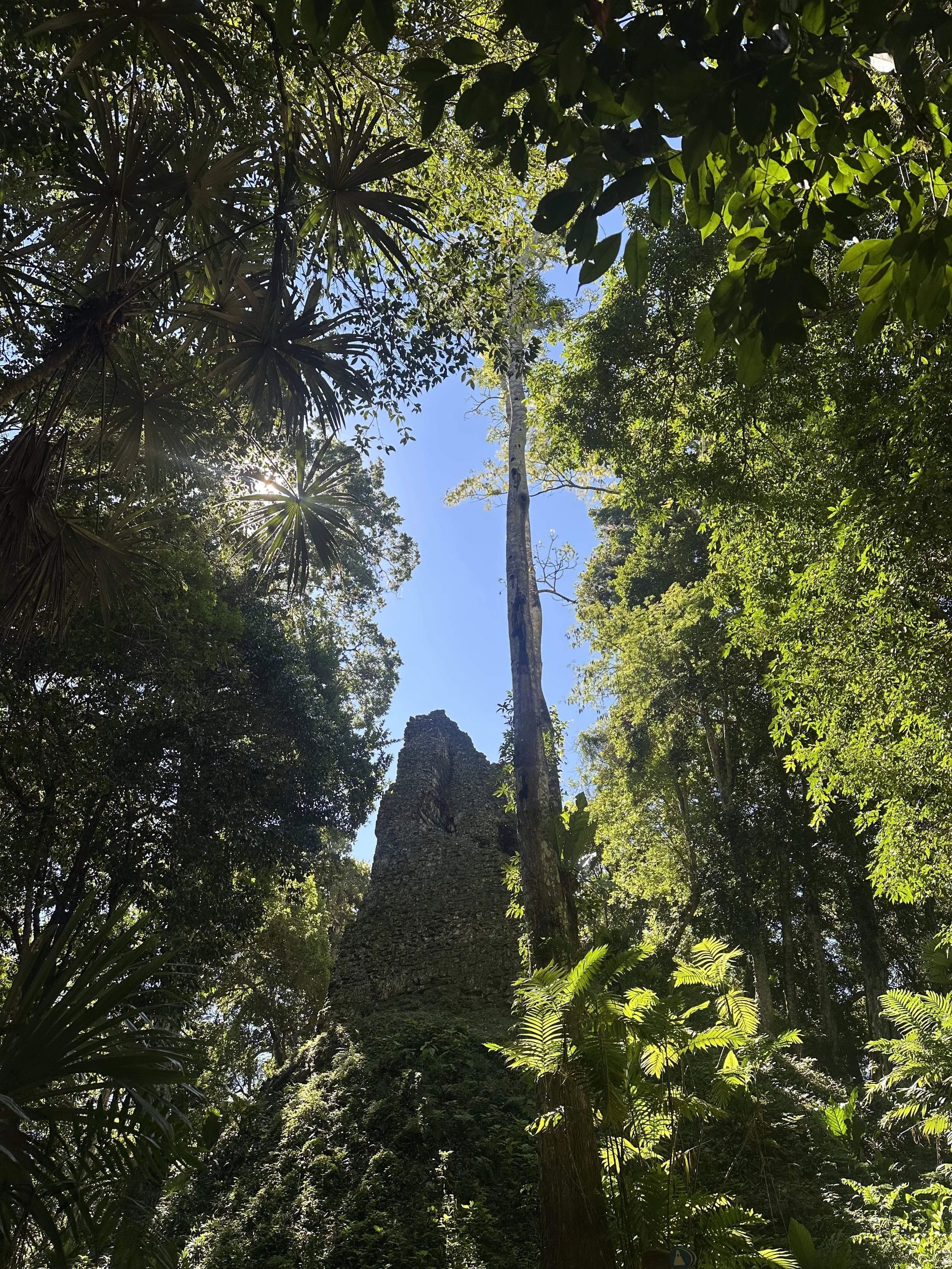
We boarded our shuttle to head to Tikal. Tikal is an ancient Maya city hidden deep in the jungle of northern Guatemala. It is one of the most extraordinary Maya cities ever built. Once home to tens of thousands of people, it was a powerful ceremonial center, with limestone temples rising far above the forest canopy, still visible today. The city was abandoned sometime around the 9th century and slowly reclaimed by the jungle.
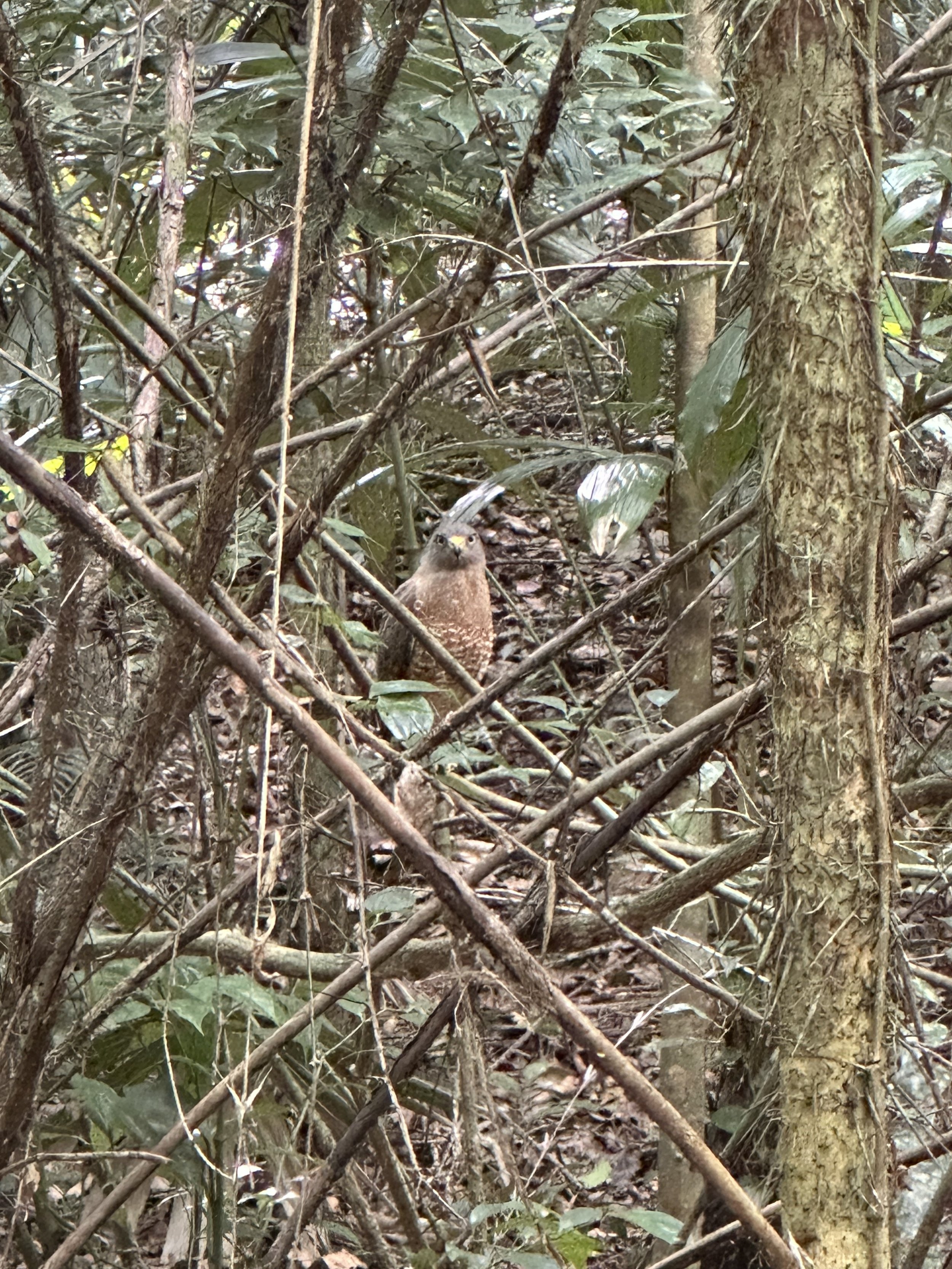
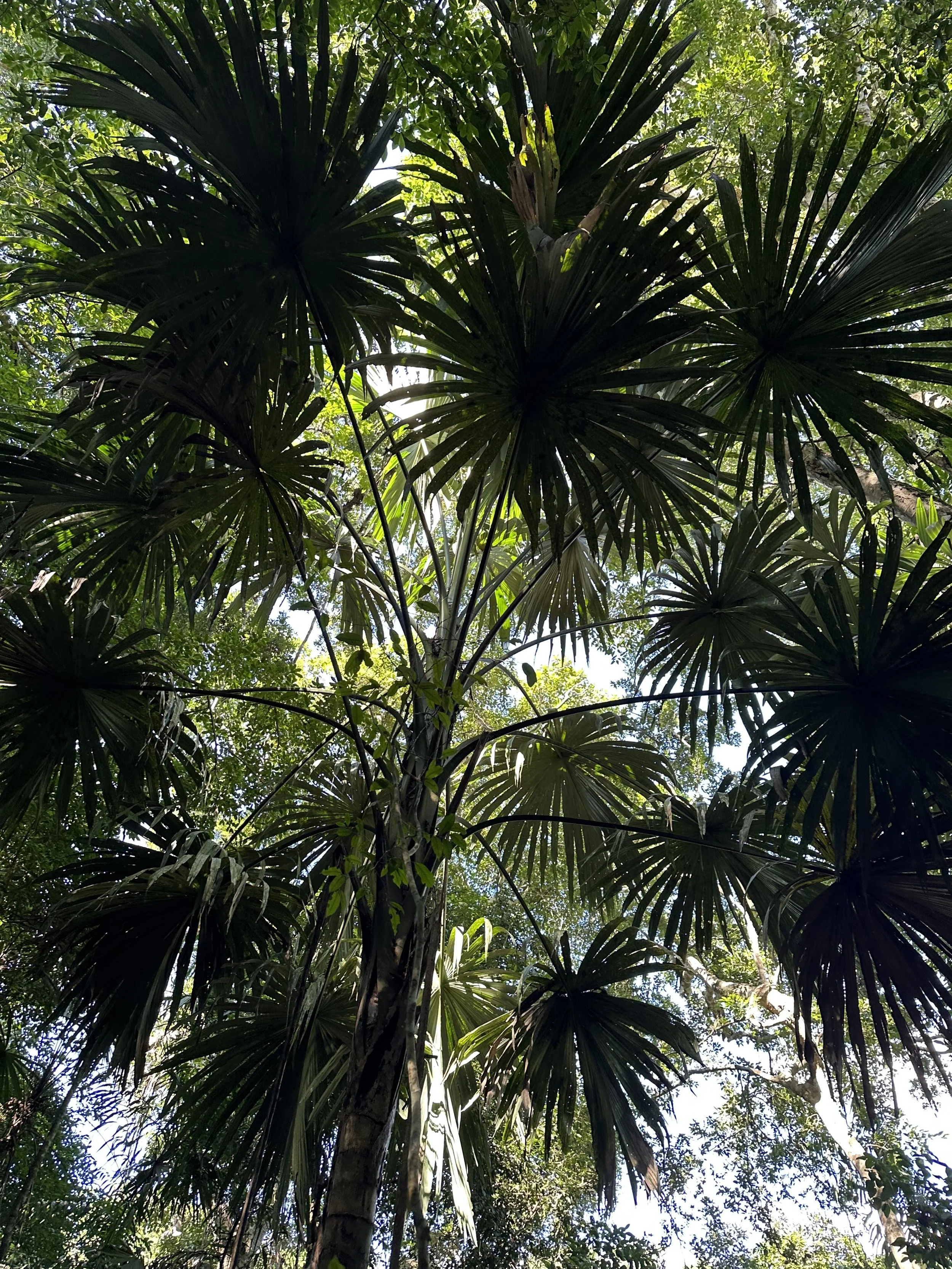
I have visited the ancient ruins of Chichén Itzá and Teotihuacan in Mexico, but what makes Tikal special is how spread out it is. You can feel how massive the city once was. Walking to each temple took between five and twenty minutes through thick jungle, with the heat pressing down and the sounds of howler monkeys echoing around me. I was grateful to have a guide because there was no cell signal, and there are stories of people getting lost or even dying in the jungle here. I worried about mosquitoes in the heat, but to my surprise they mostly left me alone. I did get a few bites from ants, but that was it.
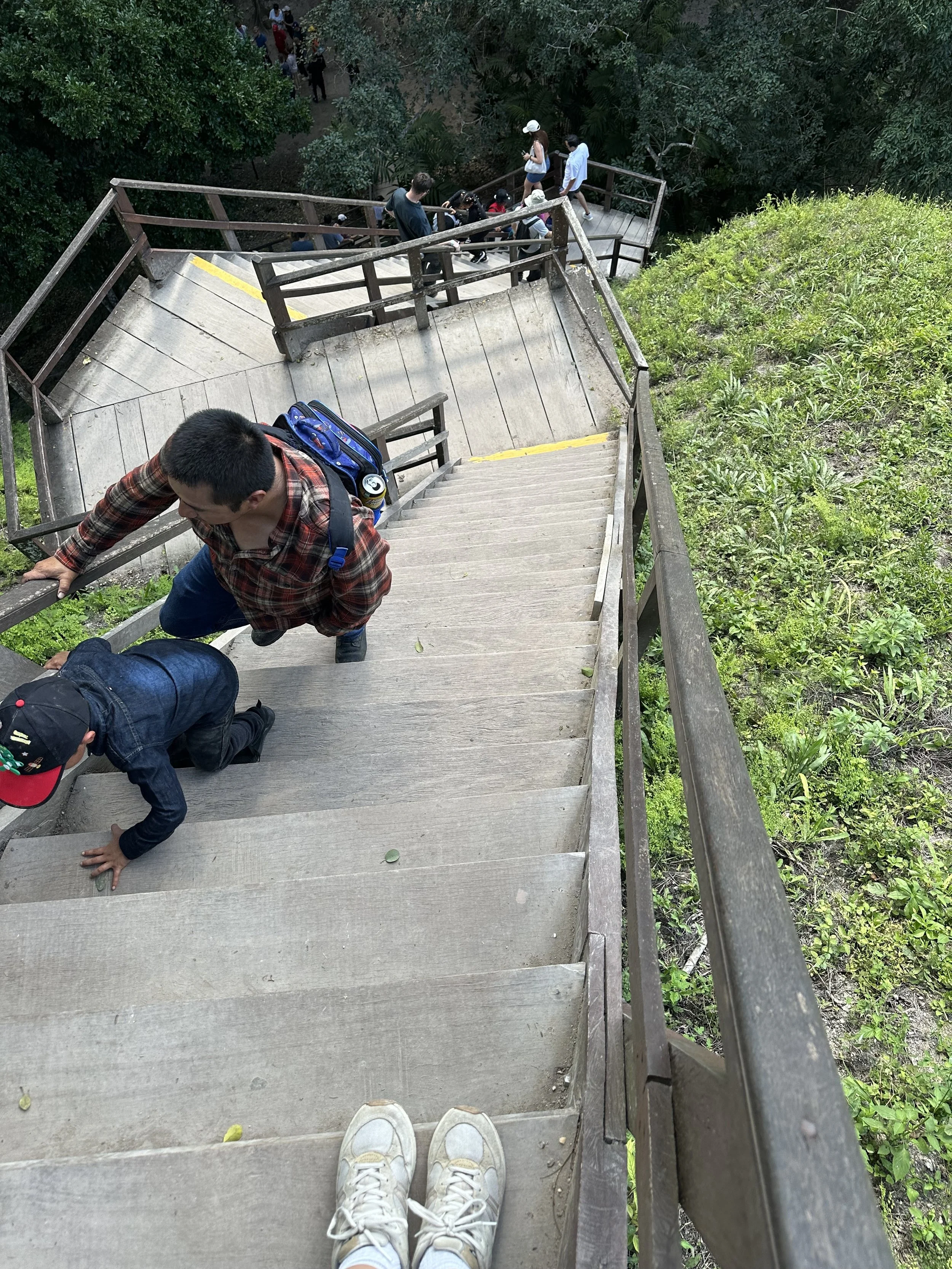
Some of the temples had structures built over them so visitors could safely climb up without damaging the ruins. However, I also saw a lot of people climbing other temples that had large signs clearly stating not to climb. I found that so disrespectful. In Mexico, when tourists did that, they would usually be shamed by locals. Here, no one seemed to bat an eye. I found that strange.
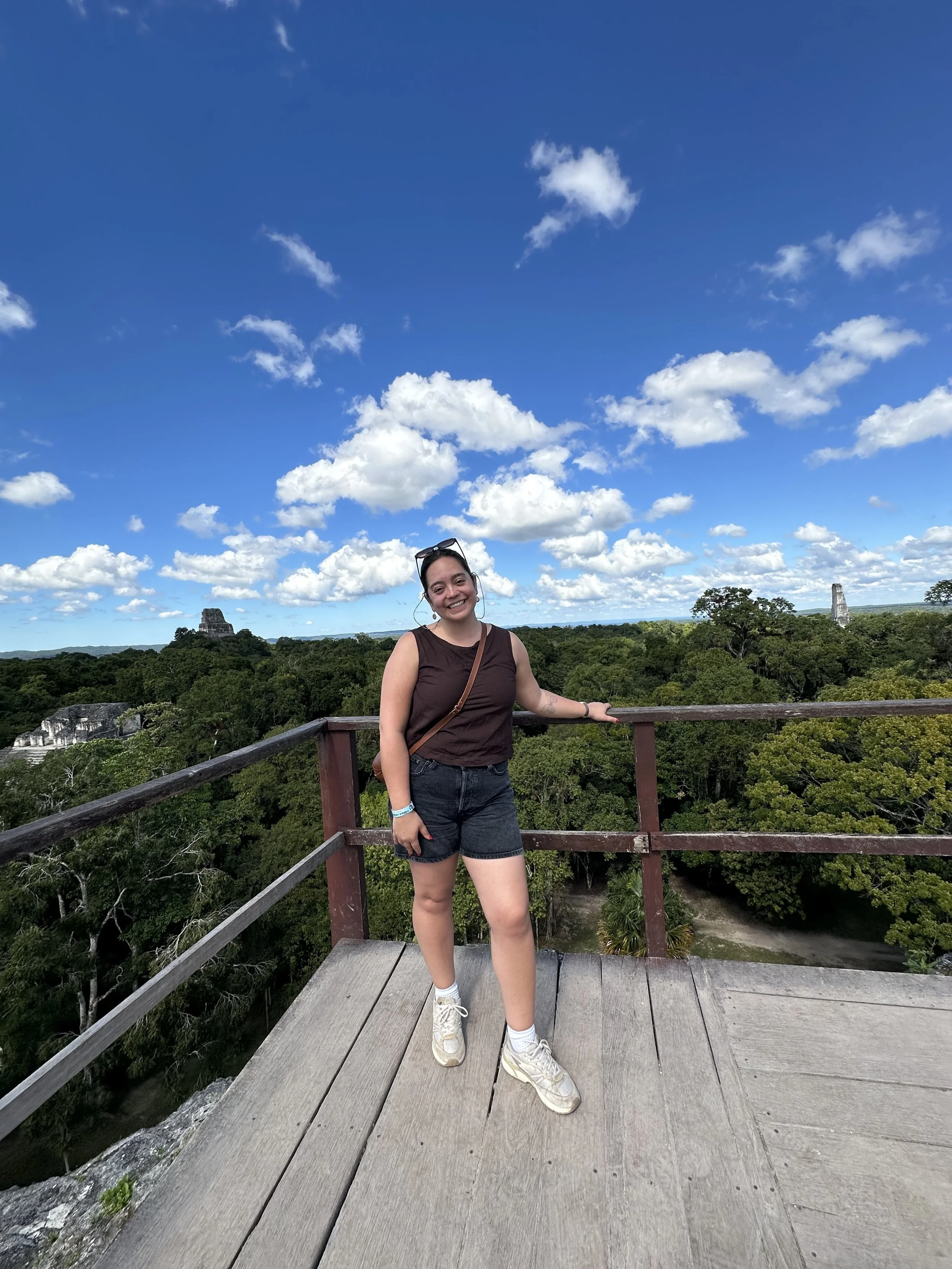
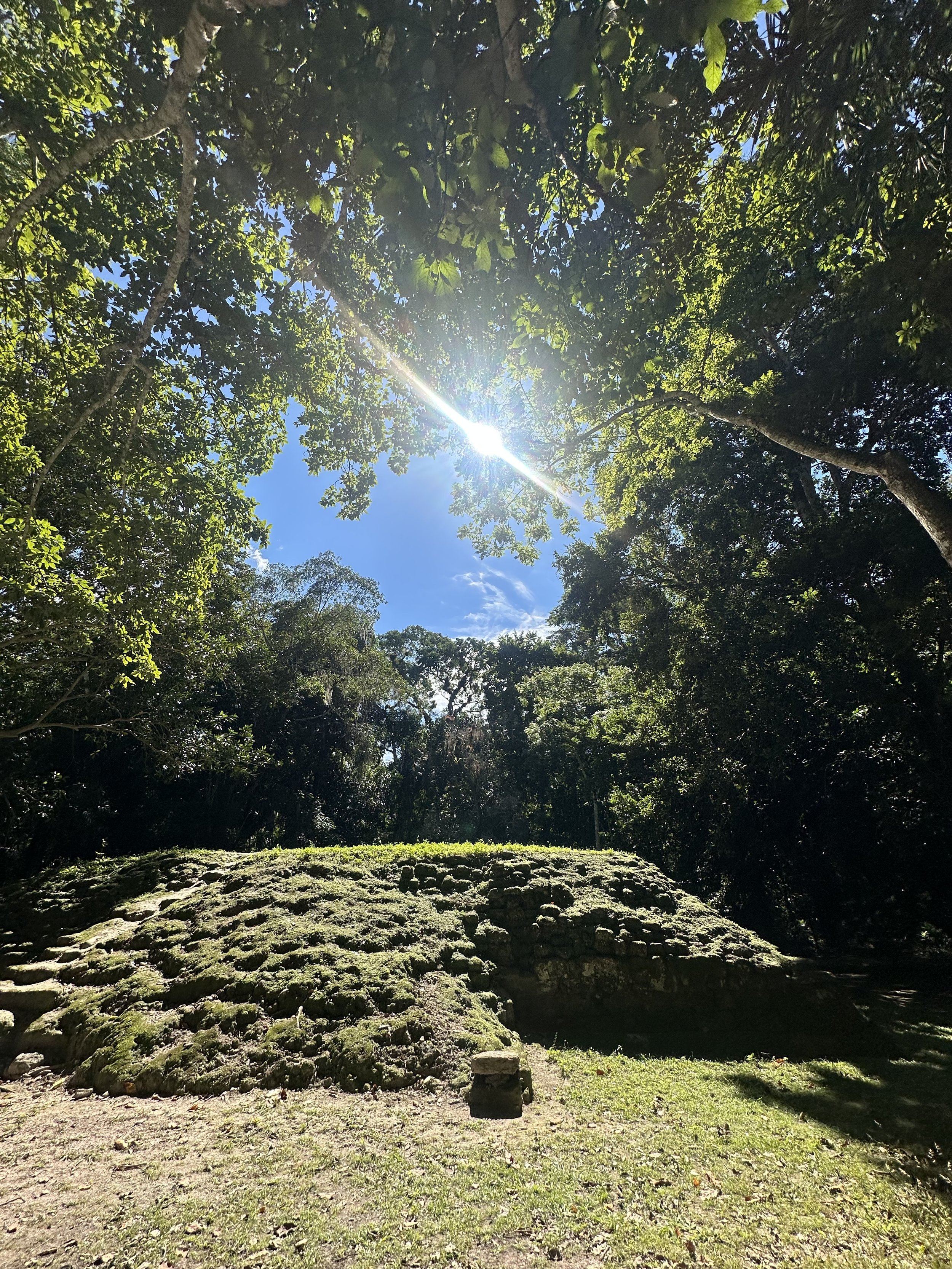
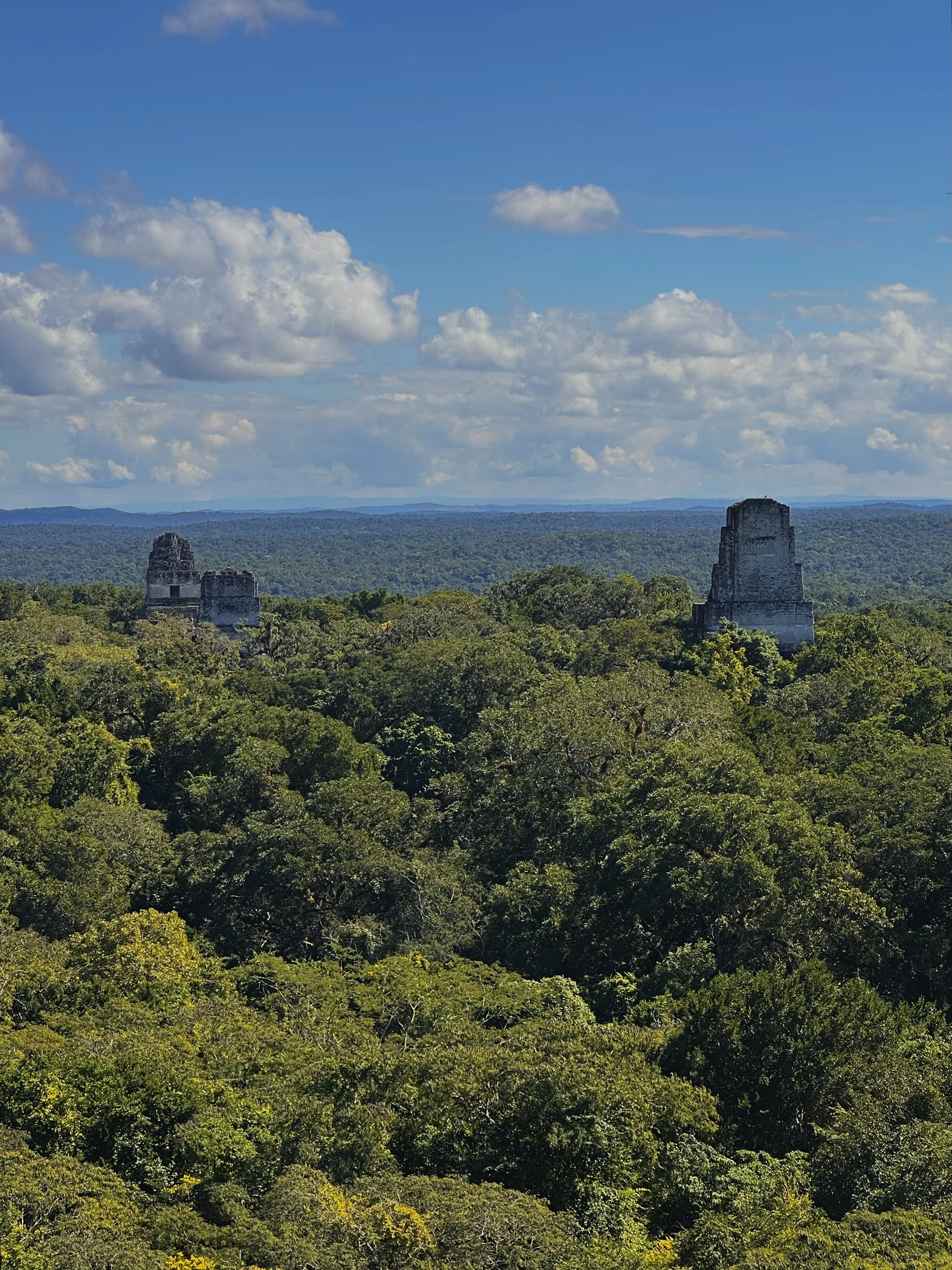
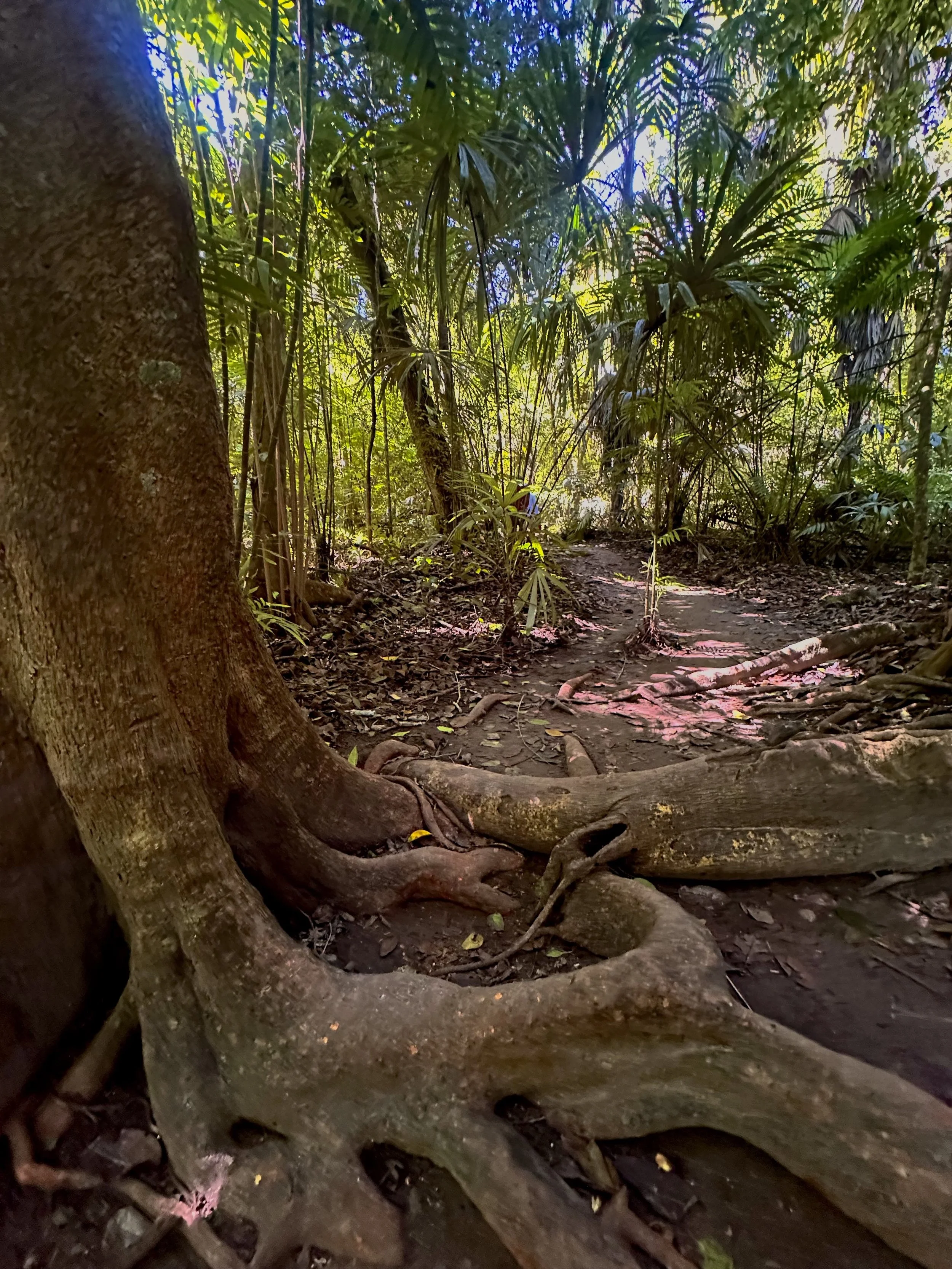
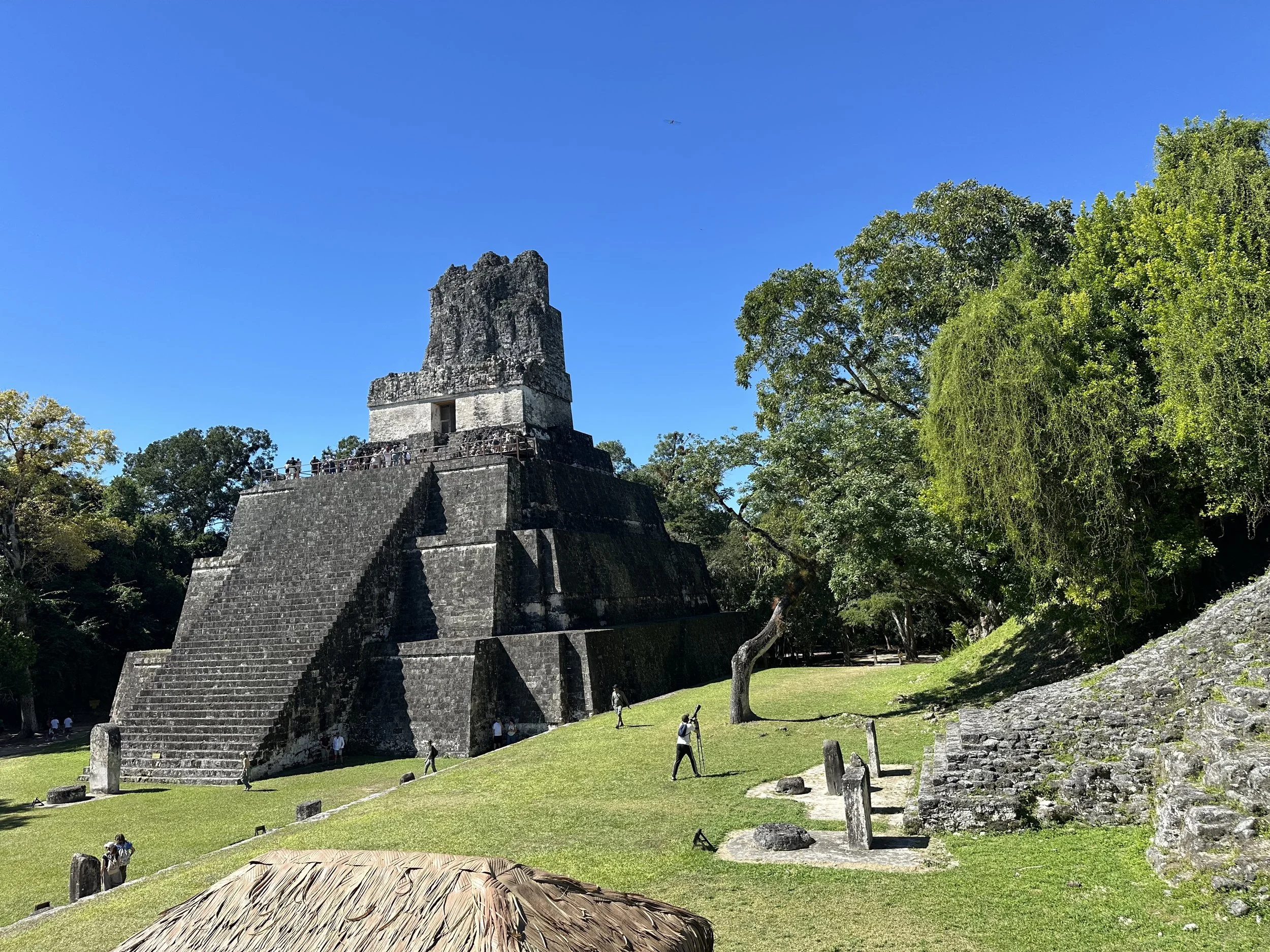
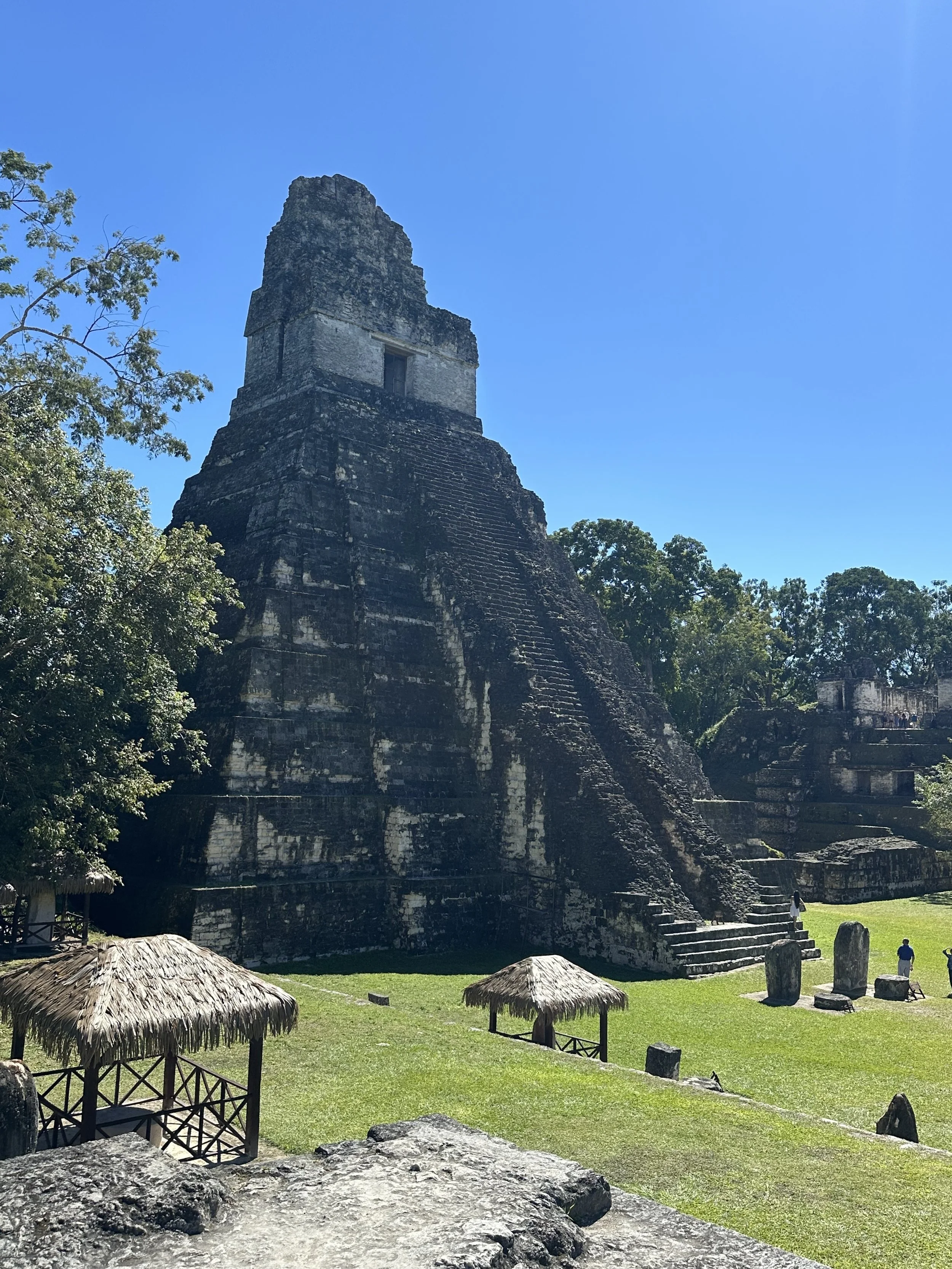
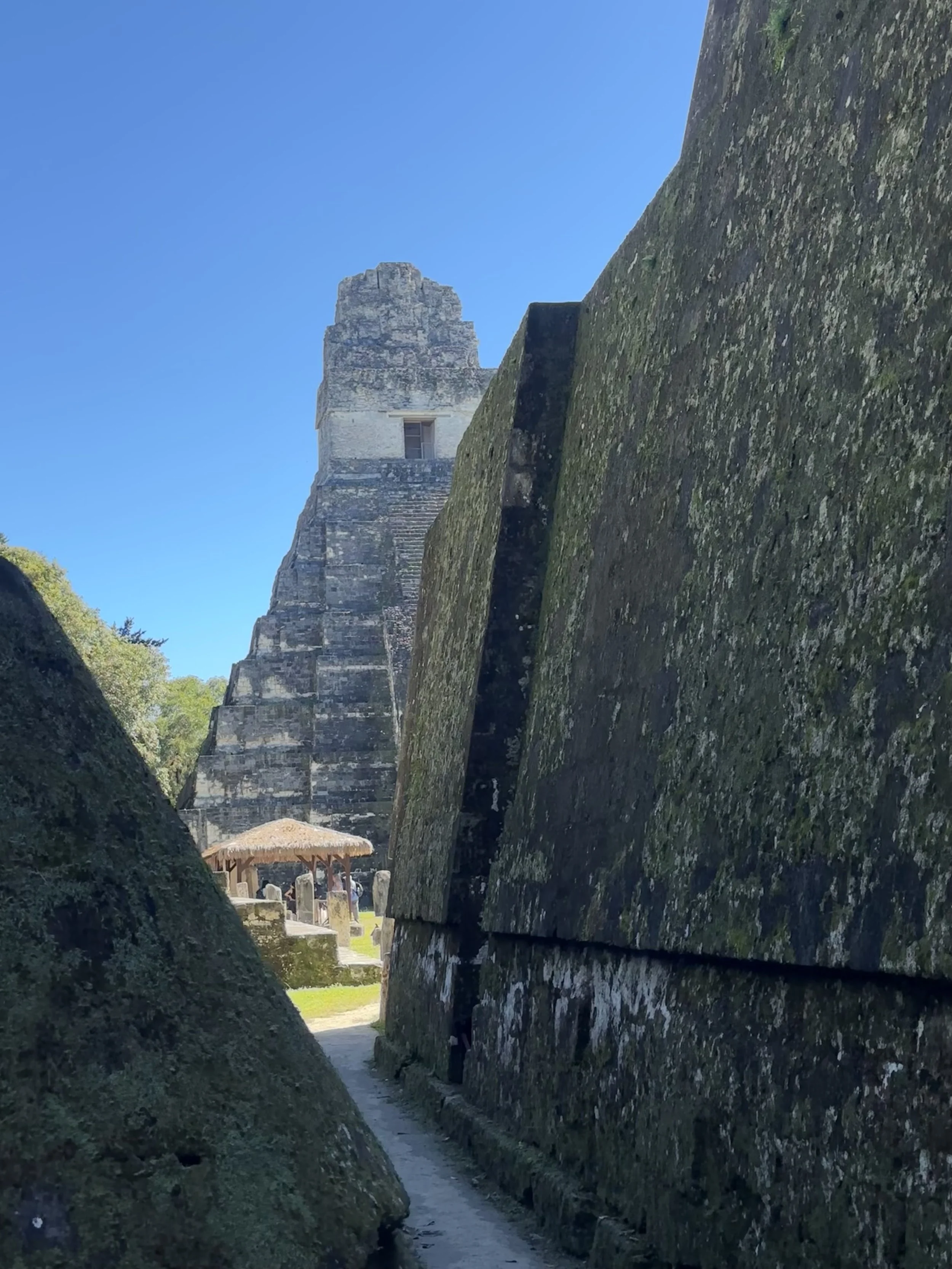
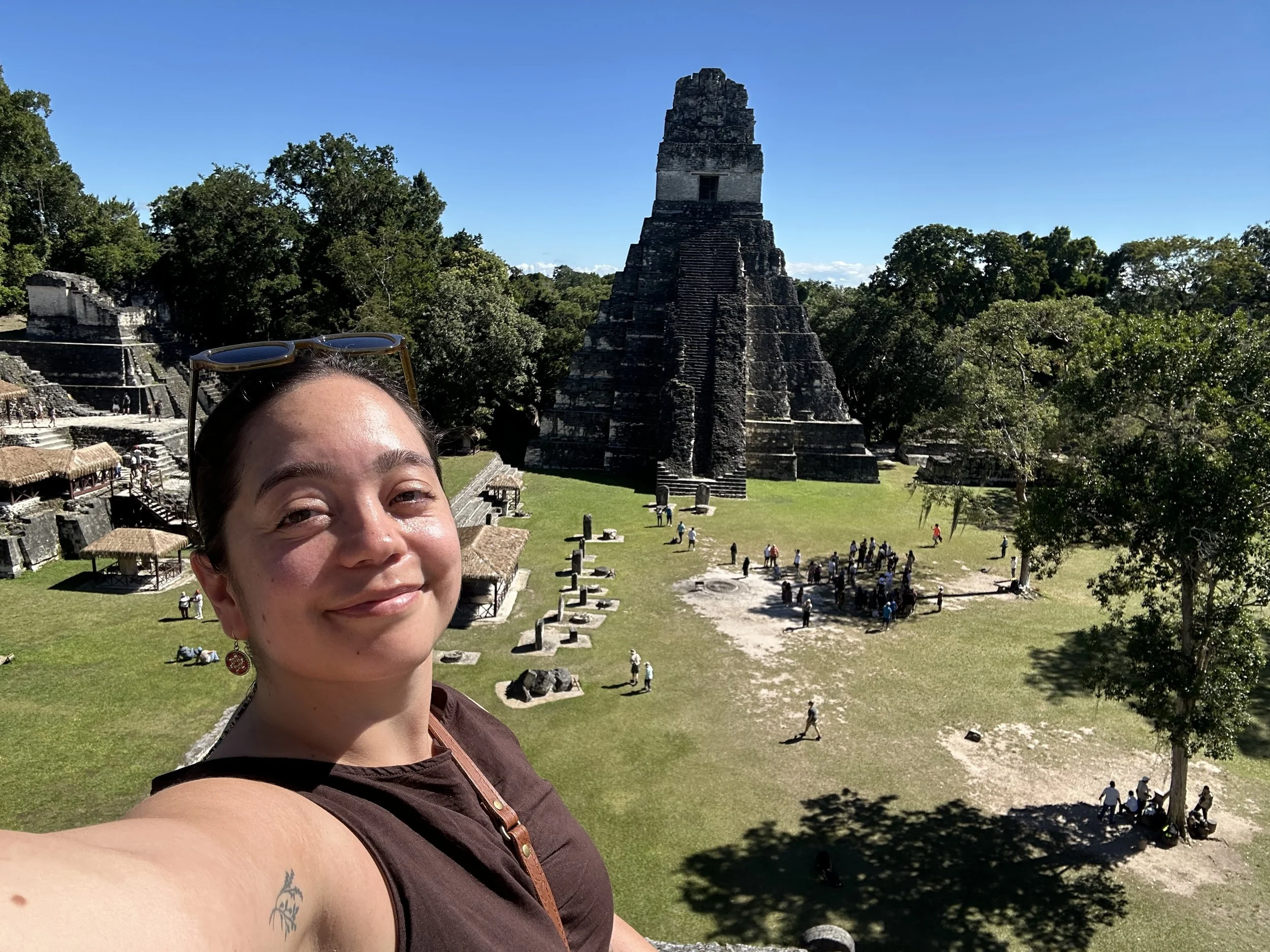
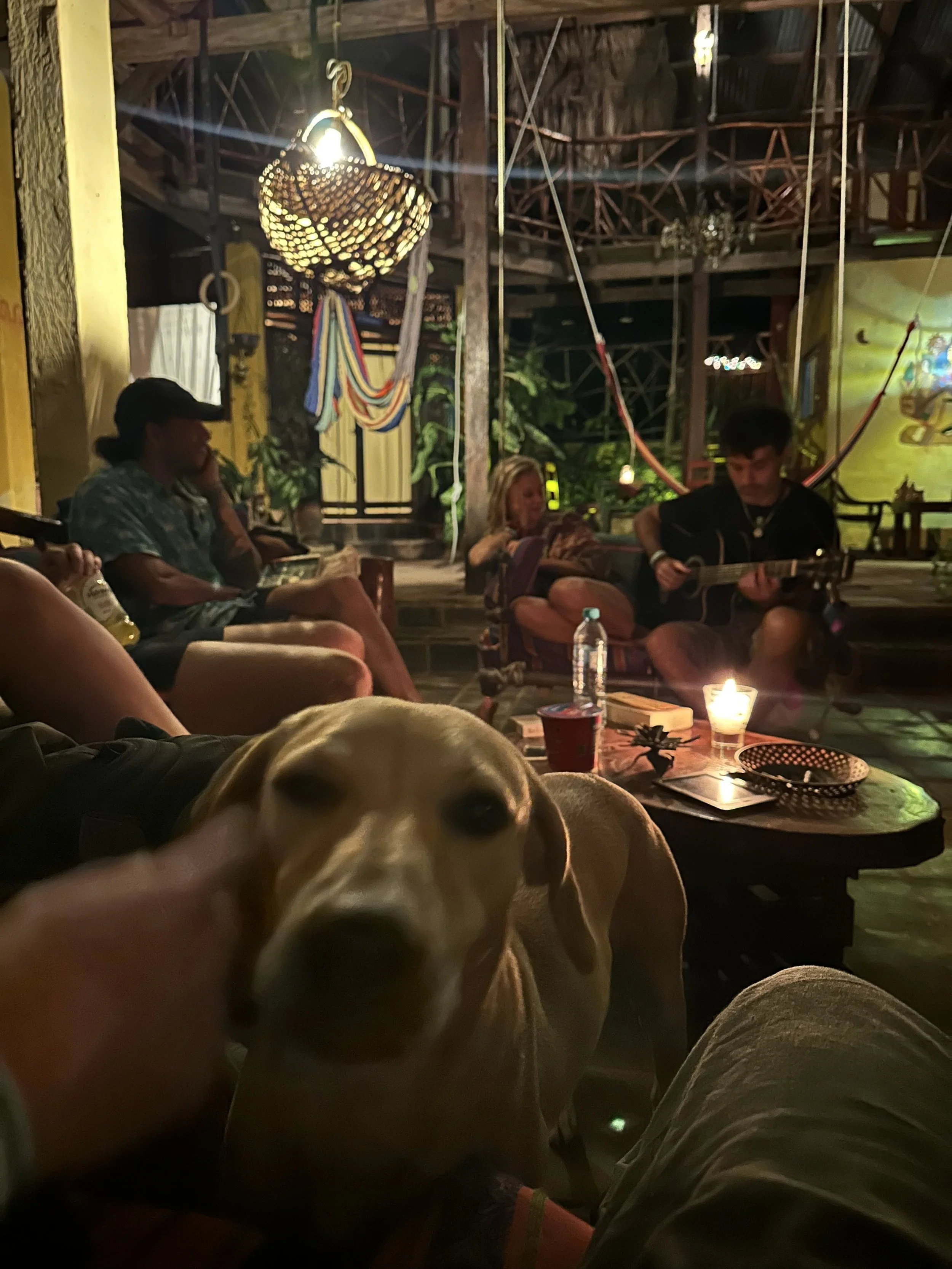
When we came back from Tikal that evening, we had dinner together again, this time with new guests who had just checked in, expanding the hostel family. After dinner, we sat together and sang songs. Ivan started us off, playing guitar and singing beautifully in Spanish. He casually mentioned that his father is a famous Guatemalan musician. Then he passed the guitar to Becca, who has a gorgeous voice and told us she is releasing an EP soon. She sang a few of her songs for us, and it felt heavenly.
The dogs that had been running around earlier began to settle, almost as if they were listening. The other hostel guests who had been in their rooms slowly came out and gathered around. Everyone seemed entranced. It was one of those moments that felt quietly perfect. One of my goals for 2026 is to get back into playing guitar, something that was a big part of my life not that long ago. That night reminded me that I am ready to return to it.
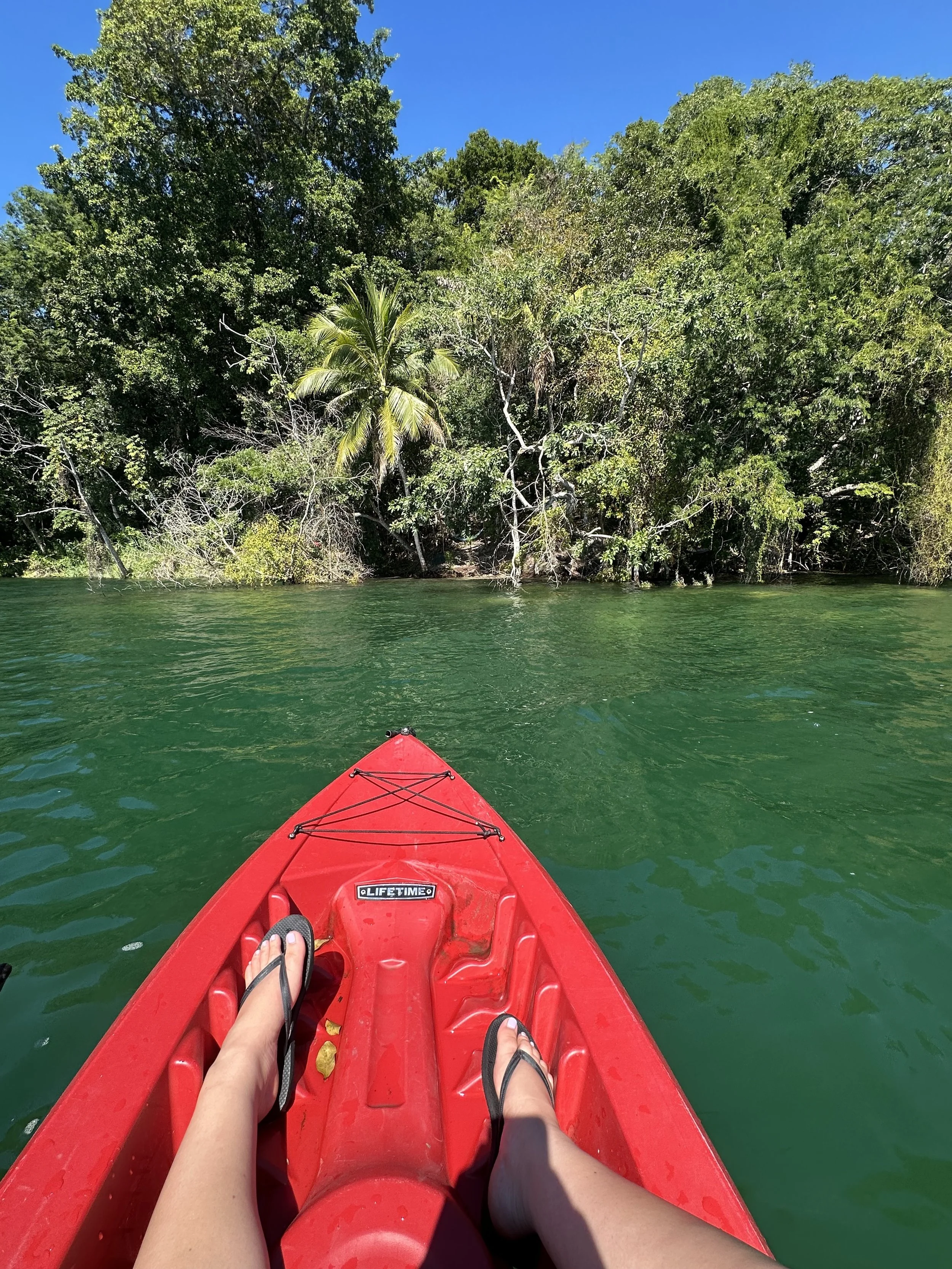
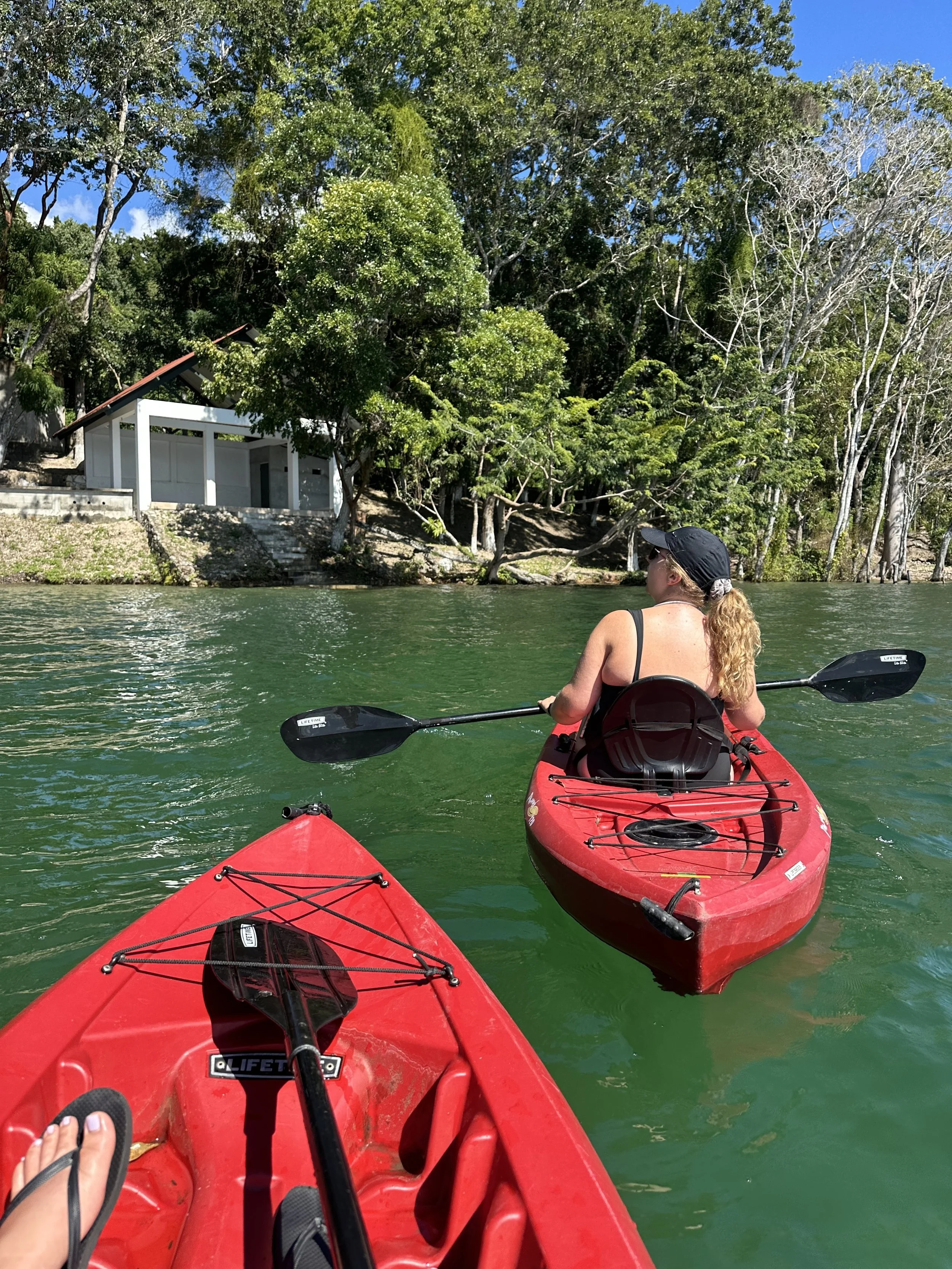
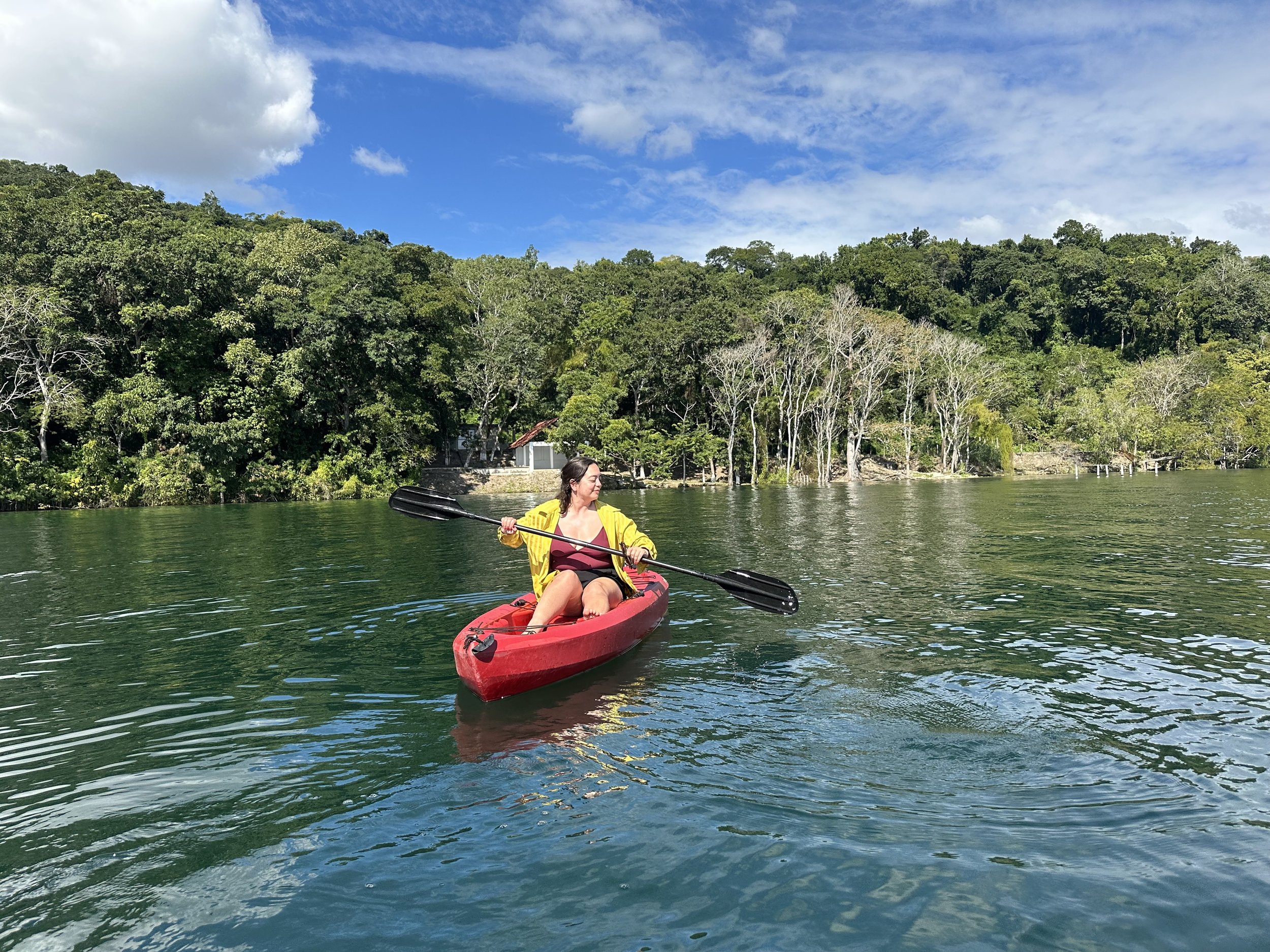
The next day, I went kayaking with a new friend named Alice. She had a very calm presence and was also incredibly funny. She told me about the last time she went kayaking a few weeks earlier in Belize, when she and her friend found a crocodile in the water. They paddled away in a panic, their kayak began filling with water, and they started sinking. She explained she emptied her water bottle and used it to scoop the water out of the kayak and dump it back into the ocean. The story itself was terrifying, but her delivery made it hilarious. Her matter-of-fact tone combined with her posh British accent had everyone laughing, including her. She ended with, “So I’m hoping for a more calm kayaking experience today.” And it was.
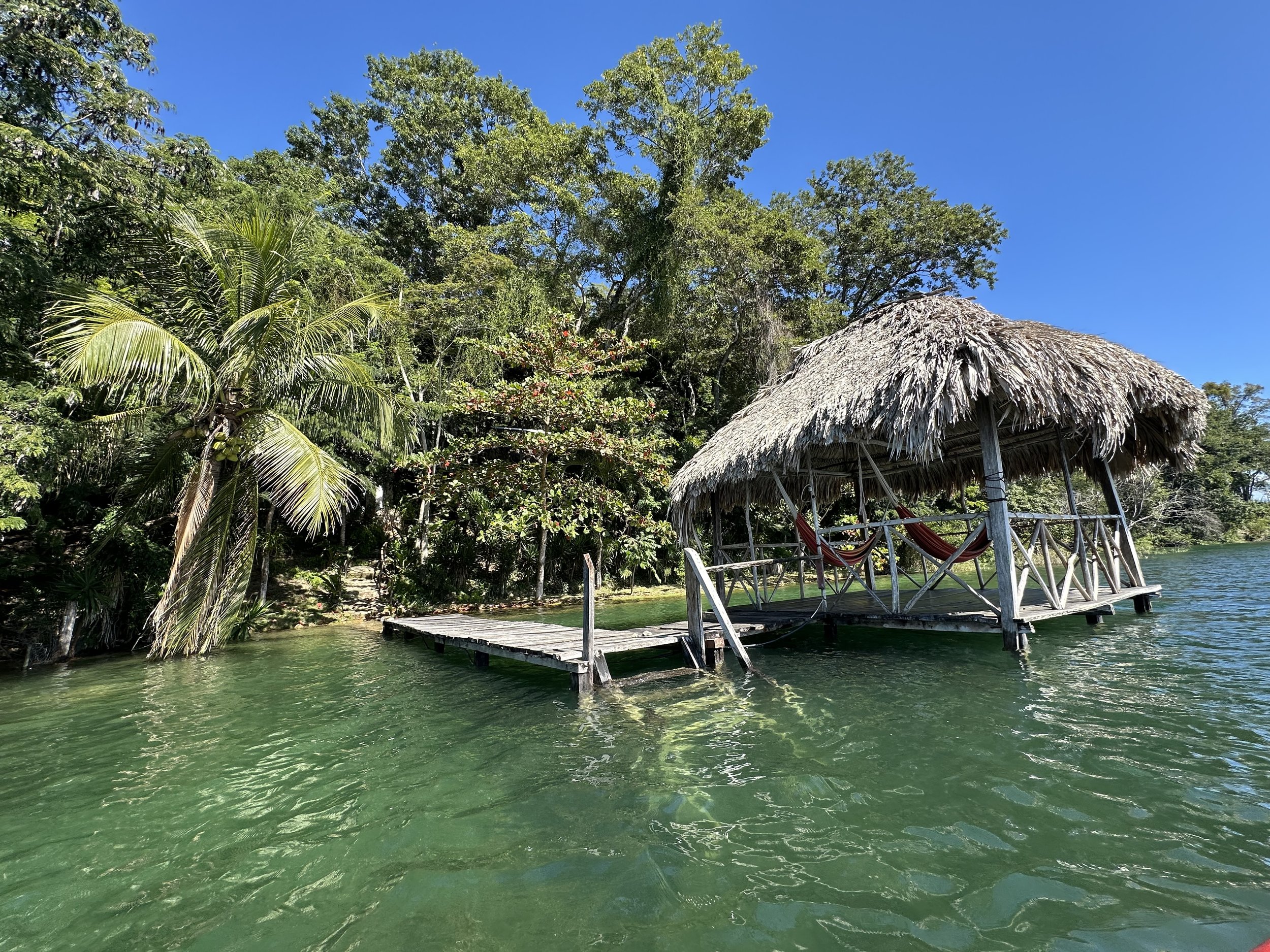
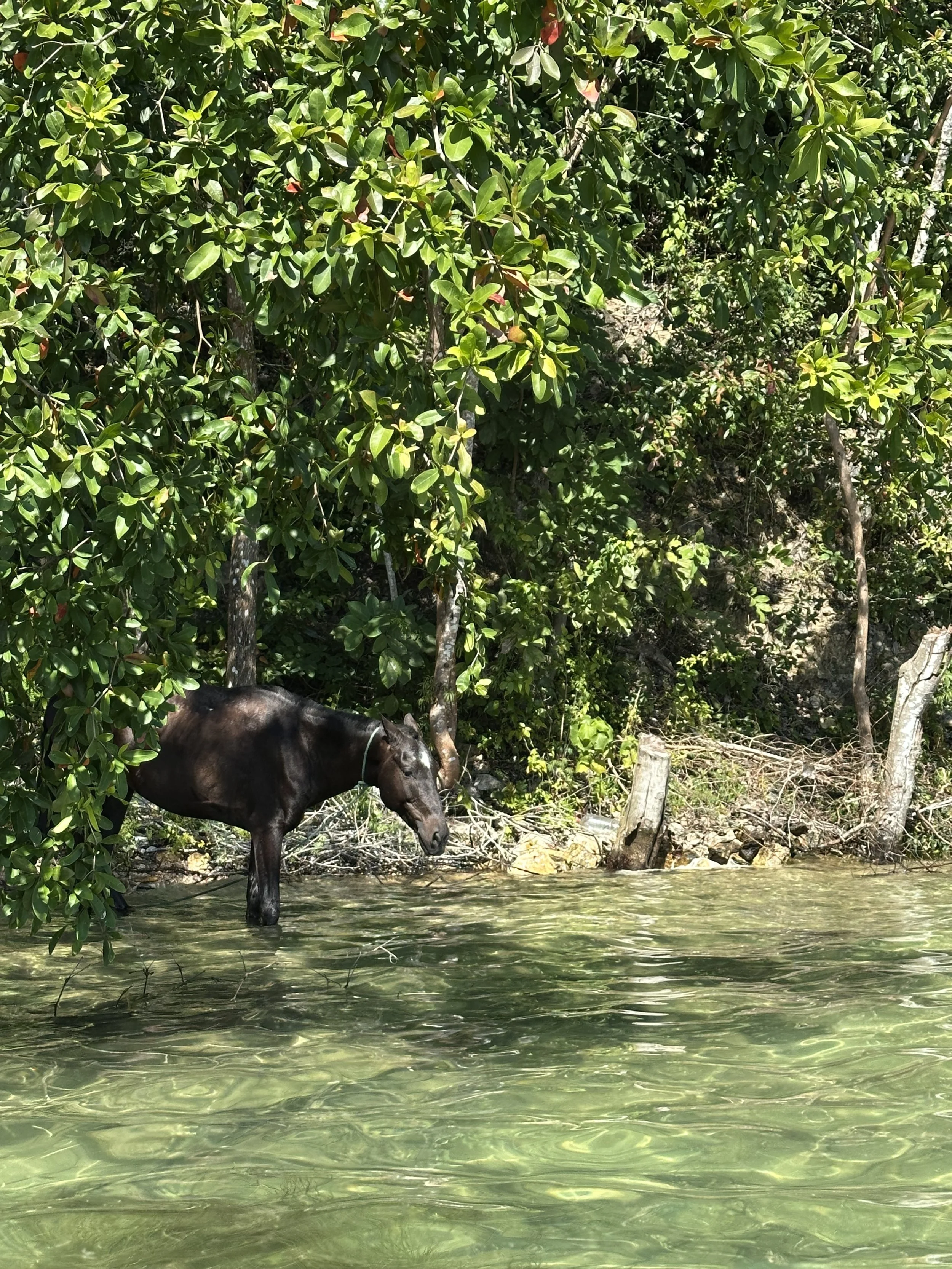
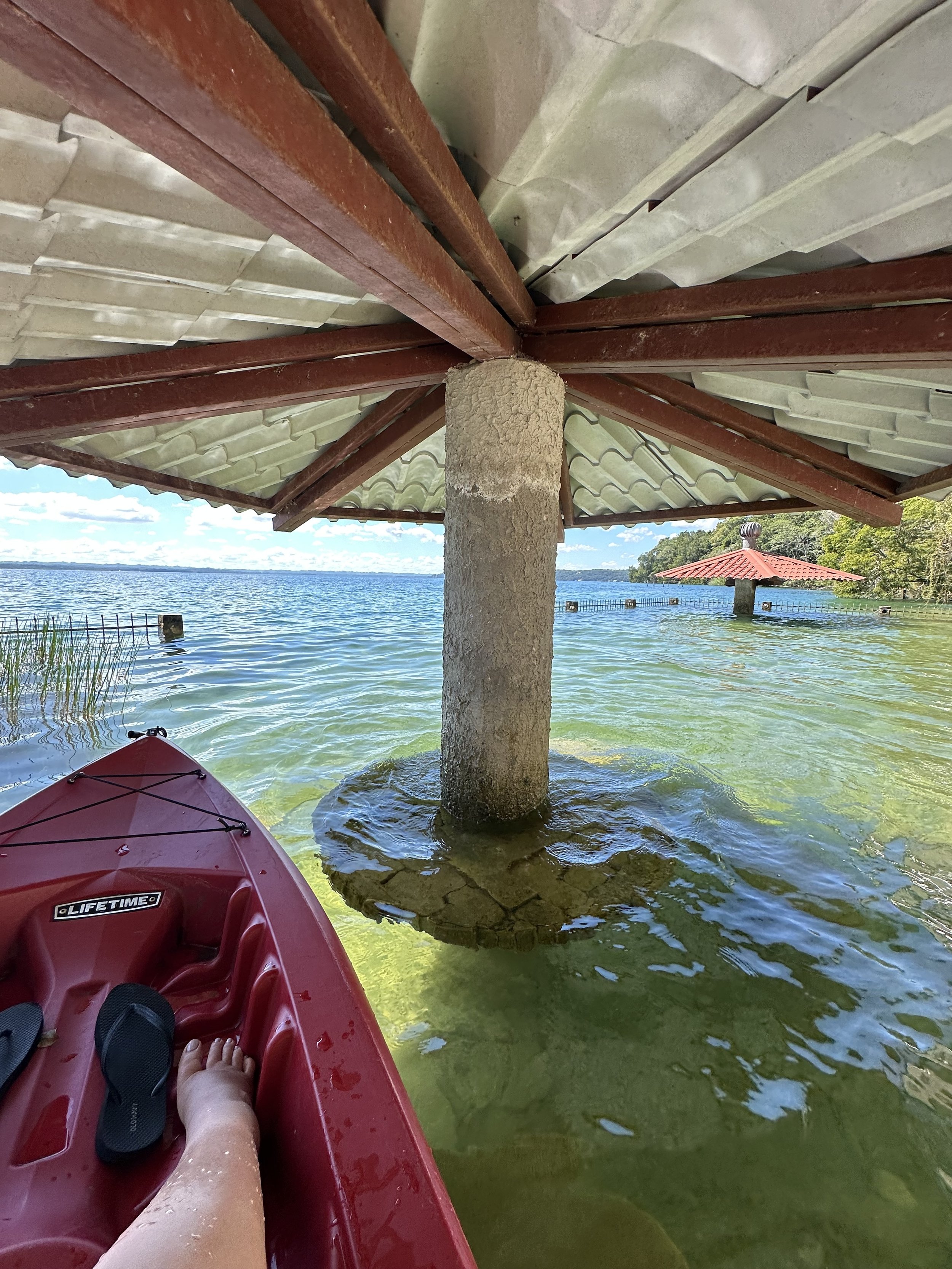
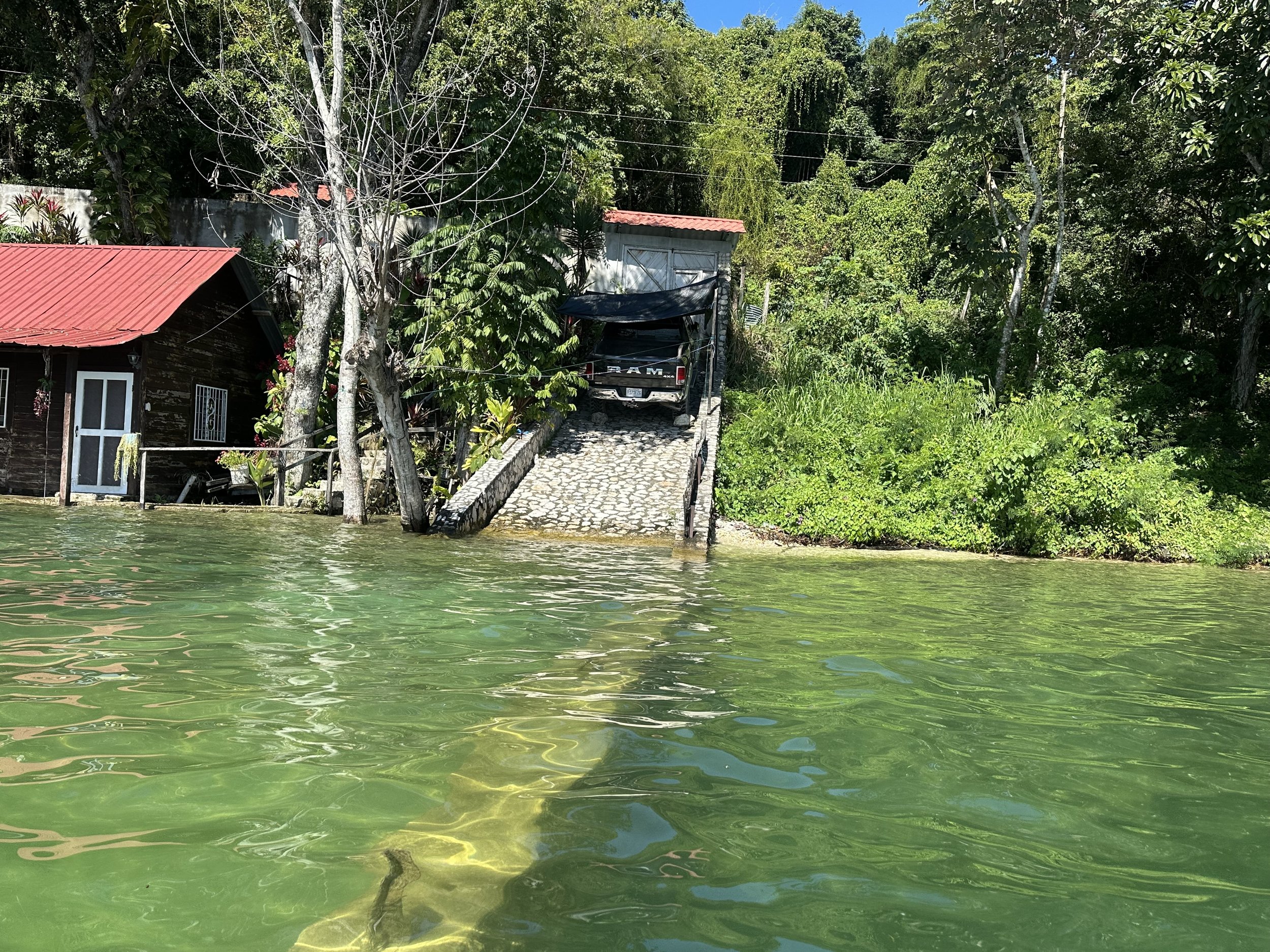
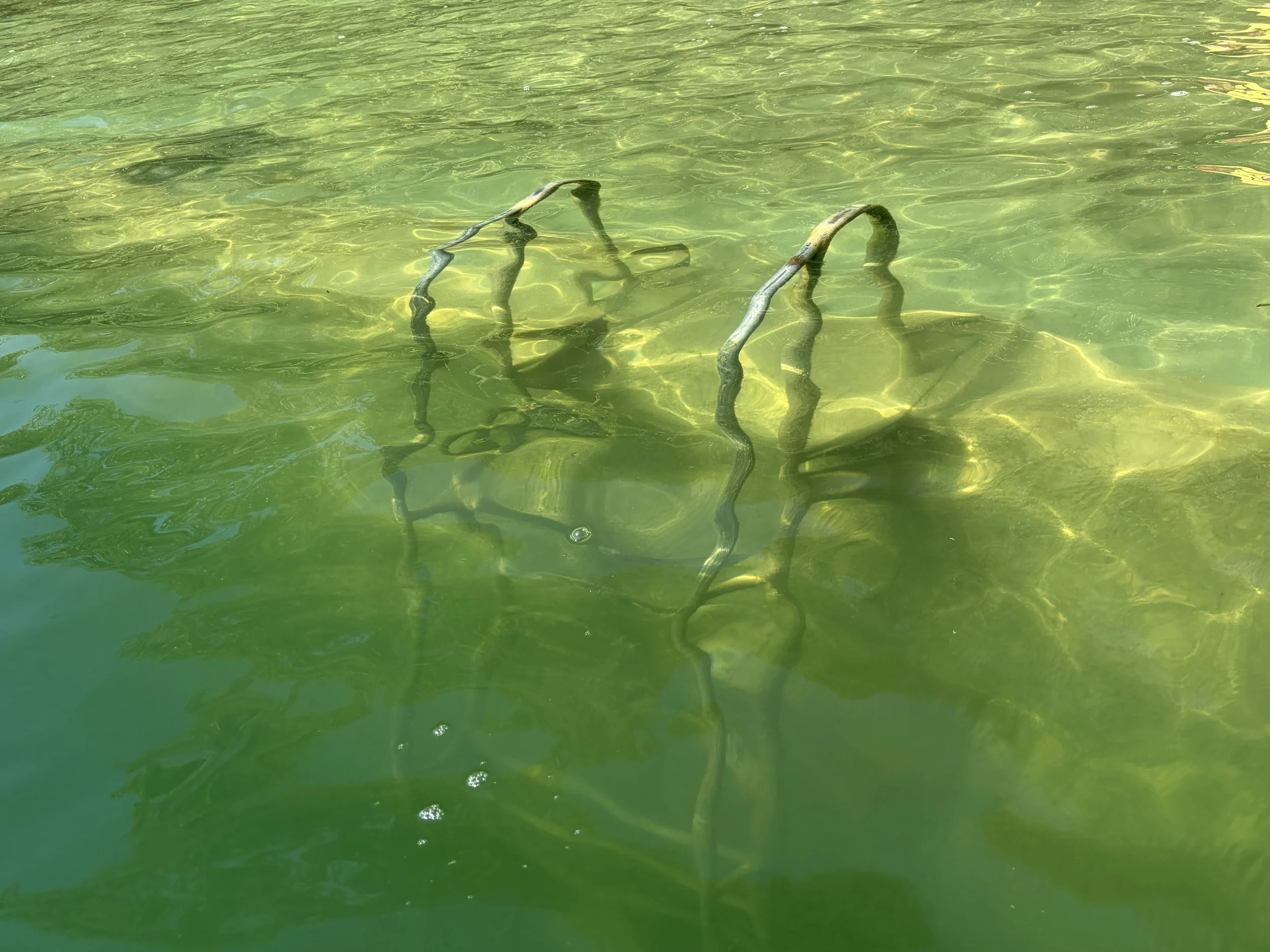
The lake was completely still. We were told there were crocodiles here too, but that they do not come to this side, which didn’t exactly make sense to me, but oh well. I love kayaking and I was determined. We kayaked along the shoreline and noticed how high the water level was. Many docks sat about a foot underwater. Benches were submerged. A car was blocked in because its driveway was underwater. There were stairs that looked like they once led down to the lake, now completely covered. It felt eerie. Later, Ivan told us he used to have a dock as well, but it washed away three years ago. He said he plans to rebuild one soon. It was sad to witness.
That evening, the hostel was the fullest it had been during my stay. We all watched the sun set together over the lake and a traveler from Australia who had just arrived turned to me and said, “Americans don’t leave the country much, right?” I offered some context about time off, wealth disparity, and the American exceptionalism that is deeply ingrained in the U.S., and I also acknowledged that very many Americans do travel despite those barriers. I don’t take for granted how lucky I am.